
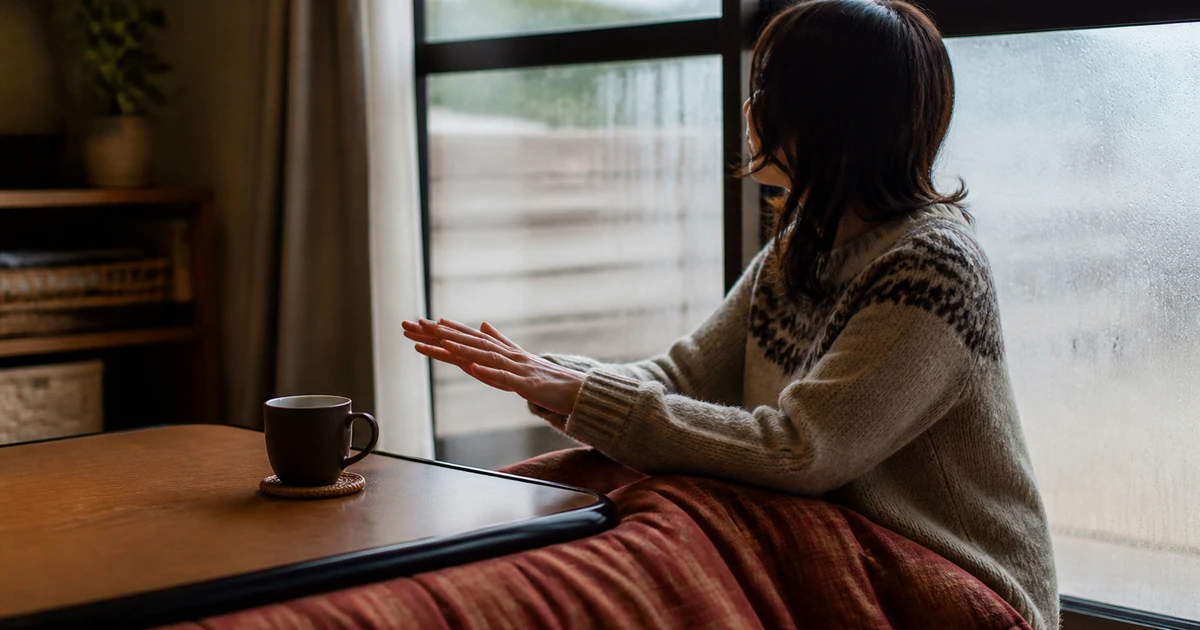
Yes, some Japanese houses can feel surprisingly cold in winter, but this is not true of every home. Comfort varies according to the region, building age, insulation, windows, heating systems, and how individual rooms are used.
Japan has several climate zones. A well-insulated home in a colder region may be more comfortable than an older, drafty apartment in a milder city. The useful question is not simply “Are Japanese houses cold?” but “How does this particular home retain and distribute heat?”
Why Some Japanese Houses Feel Cold
The main reason is heat loss. Older Japanese homes may have limited insulation, single-glazed windows, air leaks, or spaces that are heated individually rather than through whole-building systems.
Traditional wooden architecture often prioritized ventilation during Japan’s hot, humid summers. Raised floors, movable partitions, and breathable building materials helped manage moisture and airflow. Those techniques suited particular lifestyles and climates, but they could also allow indoor temperatures to drop quickly during the winter months.
Modern Japanese homes are diverse. Newer construction can use improved insulation, tighter windows, and efficient equipment, while an older rental may retain features from an earlier building era. The materials and construction techniques used during building therefore matter more than a simple distinction between “Japanese” and “Western” housing.
Heating also changes how a home feels:
- Some wall-mounted air conditioning systems provide both cooling and heating.
- Other homes use gas, electric, or kerosene equipment.
- Underfloor heating is available in some properties.
- A household may heat only the occupied room instead of the entire home.
To assess insulation and heating, ask two separate questions: how quickly does heat escape, and how effectively can the room replace it? Strong equipment cannot fully compensate for major drafts or poorly insulated surfaces.
Climate, Construction, and Daily Habits
Region and building age are the best starting points for judging winter comfort. Comparing winter temperatures across Japan without regional context can be misleading because the climate varies drastically from snowy northern areas to subtropical southern islands.
When temperatures drop, outdoor humidity, wind exposure, sunlight, and the position of an apartment can all affect comfort. A corner unit or top-floor room may behave differently from a protected interior unit in the same building.
Building materials are only part of the picture. Concrete can store heat but may feel cold after a long unheated period. Wood can feel warmer to the touch, yet a wooden structure with gaps may lose heated air quickly. Material selection, sealing, and construction techniques all influence performance.
Cultural considerations also help explain heating habits. The traditional こたつ (kotatsu, heated low table) warms people directly rather than warming every part of the house. This reflects a history of heating occupied spaces efficiently, although modern homes use many different systems.
These considerations matter if you plan to live in Japan. Ask about the specific property rather than assuming all Japanese homes share the same weaknesses or heating customs.
Useful Japanese for Discussing a Cold Home
A small set of practical words can help you describe drafts, heating equipment, and cold rooms accurately. Learners often know the general word for “cold” but need feedback on explaining where, when, and how a room becomes uncomfortable. A teacher can help learners practise these distinctions in one-on-one conversation.
Japanese | Romaji | English meaning |
|---|---|---|
寒い | samui | cold; feeling cold |
冷える | hieru | to become cold or chilled |
暖房 | danbō | heating |
断熱 | dannetsu | thermal insulation |
隙間風 | sukimakaze | draft entering through a gap |
床暖房 | yukadanbō | underfloor heating |
エアコン | eakon | air conditioner; often capable of heating and cooling |
結露 | ketsuro | condensation |
こたつ | kotatsu | heated low table |
Use 寒い (samui, cold) to describe how a person feels or how a place feels. Use 冷える (hieru, become cold) when describing a room, floor, or body gradually becoming colder.
Here are four full sentences you could use with a landlord, property manager, host, or teacher:
この部屋は朝、とても冷えます。
Kono heya wa asa, totemo hiemasu.
This room gets very cold in the morning.
暖房をつけてもいいですか。
Danbō o tsukete mo ii desu ka.
May I turn on the heating?
窓から隙間風が入ります。
Mado kara sukimakaze ga hairimasu.
A draft comes in through the window.
この家には床暖房がありますか。
Kono ie ni wa yukadanbō ga arimasu ka.
Does this house have underfloor heating?
Common Mistakes
Learners often confuse a cold outdoor climate with poor indoor performance. Low outside temperatures do not automatically mean a house will be uncomfortable; insulation, air sealing, windows, sunlight, and heating capacity all influence the result.
Another common mistake is assuming that every air conditioning unit can heat a room. Many units provide heating, but controls and equipment differ. Check the property information or ask how the installed system is used.
Learners also sometimes focus only on the main living area. Corridors, bathrooms, changing areas, and bedrooms may not share the same heating, so consider how temperatures change as you move through the home.
Avoid covering ventilation openings or using unfamiliar portable heaters without guidance. Ventilation requirements and equipment safety vary, particularly with combustion heaters. Condensation is another warning sign worth investigating because repeated moisture can affect comfort and the building interior.
Finally, do not use one housing experience to describe the entire country. Japanese homes range from traditional structures to modern high-performance buildings, and conditions can differ even within the same neighborhood.
What to Check Before Moving In
Check the actual windows, drafts, heating equipment, and room layout before deciding whether a property will be comfortable. If possible, ask for clear information about insulation and how the home is normally heated.
A practical inspection list includes:
- Window glazing and frame condition
- Noticeable air leaks around doors or windows
- Heating equipment in each important room
- Ventilation controls and condensation
- Sunlight and exterior exposure
- Rules concerning portable heating devices
- Areas that may remain unheated
- Instructions for using the air conditioning controls
If you are comparing housing types, Renting an Apartment in Japan as a Student offers additional context for approaching the rental process.
A topic-specific online lesson can turn this checklist into speaking practice. In a standard 25-minute one-on-one lesson over LINE, you might warm up by describing a room, practise asking a landlord about heating, receive corrections, and write your own review note or question list.
For a focused practice plan covering your level, goal, speaking situation, and questions, see How to Prepare for a Japanese Free Trial Lesson. You can also bring housing questions to a Free Trial Lesson with Kind Japanese.
FAQ
Are all Japanese houses cold in winter?
No, Japanese homes differ widely in comfort because region, building age, windows, insulation, and heating systems vary. A newer home in a cold region may retain heat effectively, while an older rental elsewhere may feel drafty. Inspect the specific property and ask how each important room is heated before deciding.
Why do some rooms get cold so quickly?
Heat escapes faster when a room has weak insulation, single glazing, air leaks, or a large difference between indoor and outdoor temperatures. Intermittent room heating can also create sharp contrasts between heated and unheated spaces. Corridors, bathrooms, and bedrooms may therefore feel much colder once the heater stops.
What should I check before renting a home in Japan?
Ask about window glazing, insulation, drafts, heating equipment, ventilation, condensation, and which rooms can be heated. Check the lease and building rules before adding devices or window coverings. Confirm practical details directly with the landlord, property manager, or housing office because conditions and permitted equipment differ by property.
Can Japanese practice help me discuss housing problems?
Yes, practising when a room becomes cold, where a draft enters, and which equipment is available can make housing conversations clearer. One-on-one feedback can help you choose natural vocabulary, form polite questions, and distinguish 寒い (samui, cold) from 冷える (hieru, become cold) before speaking with housing staff.