

Japanese conversation lessons for study abroad students should prepare you for the real moments that happen before and after class: introducing yourself, asking a teacher a question, joining a club, speaking with classmates, and handling small problems without freezing.
Textbooks help you understand Japanese. Study abroad life asks you to use it quickly, politely, and sometimes imperfectly. That is why online Japanese lessons with a one-on-one Japanese tutor can be especially useful before you arrive or while you are already overseas.
Kind Japanese offers one-on-one online lessons over LINE, with standard lessons lasting 25 minutes. That short format works well when your goal is focused speaking practice: one campus situation, one correction target, and one review note you can keep improving.
What Study Abroad Students Need Most
Study abroad students need usable conversation patterns, not only more grammar lists. You may already know basic sentence structures, but campus conversation adds pressure: people speak naturally, topics change quickly, and you need to respond without translating every word.
For study abroad, your first speaking goals should usually be:
- a natural self-introduction
- asking classmates simple follow-up questions
- asking teachers for clarification
- explaining your major, country, schedule, and goals
- joining casual conversations without sounding too stiff
- handling dorm, office, club, or part-time-job-adjacent communication carefully
A cultural note helps here: Japanese campus conversations often start indirectly. Instead of immediately asking a big personal question, learners can begin with class, club activities, weather, food, or schedule. This is not “small talk for no reason.” It is often a gentle way to check comfort and relationship distance.
A private tutor can help you practise the same situation at different levels of politeness. For example, the way you speak to a classmate, a professor, and a school office staff member should not be identical.
Core Campus Phrases to Practise
These phrases are not a full script. They are starting points for campus conversation, especially when you want to sound polite but not overly formal.
Japanese | Romaji | English Meaning |
|---|---|---|
はじめまして | Hajimemashite | Nice to meet you |
留学生です | Ryūgakusei desu | I am an international student |
もう一度お願いします | Mō ichido onegai shimasu | Please say that one more time |
ゆっくり話していただけますか | Yukkuri hanashite itadakemasu ka | Could you speak slowly? |
この教室はどこですか | Kono kyōshitsu wa doko desu ka | Where is this classroom? |
一緒に昼ご飯を食べませんか | Issho ni hirugohan o tabemasen ka | Would you like to eat lunch together? |
サークルに興味があります | Sākuru ni kyōmi ga arimasu | I am interested in the club/circle |
授業の内容について質問があります | Jugyō no naiyō ni tsuite shitsumon ga arimasu | I have a question about the class content |
予定を確認してもいいですか | Yotei o kakunin shite mo ii desu ka | May I check the schedule? |
まだ日本語を勉強中です | Mada Nihongo o benkyō-chū desu | I am still studying Japanese |
Use these phrases in short role-plays, not only as memorised lines. Change one detail each time: the class name, the meeting place, the person you are talking to, or the reason for your question.
Example Campus Conversations
Practise examples aloud, then replace one word or phrase with your own information. The goal is not to sound dramatic or advanced. The goal is to respond clearly enough that the conversation can continue.
来週の授業について質問があります。 Raishū no jugyō ni tsuite shitsumon ga arimasu. I have a question about next week's class.
日本語はまだ勉強中ですが、サークルに参加したいです。 Nihongo wa mada benkyō-chū desu ga, sākuru ni sanka shitai desu. I am still studying Japanese, but I want to join the club.
すみません、この教室はどこですか。 Sumimasen, kono kyōshitsu wa doko desu ka. Excuse me, where is this classroom?
よかったら、一緒に昼ご飯を食べませんか。 Yokattara, issho ni hirugohan o tabemasen ka. If you would like, shall we eat lunch together?
These sentences are simple on purpose. In real campus life, a clear sentence spoken at the right time is more useful than a complicated sentence you cannot say naturally.
A 25-Minute LINE Lesson Flow
A focused 25-minute lesson can train one realistic study abroad situation from start to finish. For online Japanese lessons, LINE is practical because you can discuss goals, practise speaking, and prepare your own review notes in one familiar contact flow.
A useful 25-minute lesson agenda might look like this:
- Warm-up: say your name, country, major, and current Japanese level.
- Target speaking task: practise one campus situation, such as asking a professor a question after class.
- Correction: receive teacher feedback on grammar, word choice, pronunciation, or politeness.
- Repeat: say the improved version again without reading too much.
- Learner-owned review note: write down one corrected sentence and one question for next time.
This is where one-on-one learning differs from broad self-study. If you are deciding between formats, Private Japanese Lessons vs Group Classes can help you compare what kind of support fits your study abroad goals.
For time zones, propose lesson windows in your own local time first. For example: “weekday evenings US time,” “Saturday morning Central European Time,” or “after my university classes.” Avoid vague messages like “anytime is okay” if it is not really true. Clear windows make scheduling smoother.
If you want to check whether this style fits your goals, book a Free Trial lesson and bring one campus situation you want to handle better.
Building a Study Plan Around Speaking
A study plan for study abroad should connect grammar, vocabulary, and listening to actual conversations. If you only study word lists, you may recognise Japanese but still hesitate when someone speaks to you.
A simple weekly plan could be:
- Choose one campus topic: class, dorm, club, shopping, transport, or office procedure.
- Learn 5 to 10 useful phrases for that situation.
- Practise answering three likely questions.
- Record yourself once and listen for pauses, unclear endings, and missing particles.
- Bring one difficult sentence to a teacher or tutor for feedback.
From a teacher's perspective, learners often need help turning “known grammar” into spoken answers. In our one-on-one lessons, teachers may let a learner finish the full answer first, then give feedback so the learner can keep the rhythm of real conversation. This is especially helpful for students who stop after every small mistake.
For beginners, verb forms matter a lot. If you cannot yet use dictionary form or te-form reliably, a tutor may start there before role-playing longer conversations. For higher-level learners, the focus may shift toward natural reactions, softer phrasing, or more appropriate responses in academic settings.
AI tools can be useful for extra practice, but they cannot fully replace human correction for relationship distance, tone, and live pronunciation. If you use AI for review, keep its limits in mind; this article on AI Tutor for JLPT Prep: Key Limitations is also relevant for understanding where teacher review still matters.
Common Mistakes
Learners often prepare for study abroad by memorising impressive sentences, then struggle with short, ordinary exchanges. Campus confidence usually grows from fast, clear, flexible sentences.
Using the same politeness level with everyone.
A classmate, teacher, and office staff member require different levels of formality. You do not need perfect keigo at the beginning, but you should avoid speaking too casually to people in formal roles.
Learning phrases from anime or casual media without checking context.
Some expressions are natural only between close friends or in fictional settings. A teacher can help you replace them with safer, more natural campus Japanese.
Confusing kana shapes while reading aloud.
In our one-on-one lessons, teachers have noted that learners may mix up visually similar kana such as ぬ (nu) and め (me), or ね (ne) and れ (re). This is a reading and writing shape issue, not a pronunciation pair. For katakana, ツ (tsu) and シ (shi) are also commonly confused because stroke direction and balance matter.
Stopping after every mistake.
Real conversation does not restart every five seconds. It is often better to finish your answer, receive teacher feedback, and then try the improved version again.
Having no repair phrases.
Repair phrases are sentences that keep communication alive when you do not understand. Phrases like “Please say that again” and “I am still studying Japanese” are not signs of failure. They are survival tools.
FAQ
Are online Japanese lessons enough before studying abroad?
Online Japanese lessons can be enough to build speaking habits before departure, especially when you practise realistic campus situations. You still need real-life exposure after arrival, but lessons can prepare your self-introduction, question patterns, listening repair phrases, and polite responses so your first weeks feel less overwhelming.
What should I bring to a LINE lesson?
Bring one specific situation, not a vague goal like “I want to speak better.” Good examples include introducing yourself to classmates, asking about a club, visiting the school office, or talking to a professor after class. Also bring one sentence you tried to say but could not finish naturally.
Do I need advanced Japanese for campus conversation?
You do not need advanced Japanese to start campus conversation. Beginner and intermediate learners can communicate with short sentences, clear repair phrases, and good listening habits. Advanced learners should focus more on nuance, natural reactions, politeness control, and explaining opinions without sounding too direct or too vague.
How often should study abroad students practise speaking?
Short, regular speaking practice is better than rare long sessions. Even 10 minutes of self-recording between lessons can help you notice hesitation and unclear endings. A 25-minute lesson can then focus on teacher feedback, correction, and repeating the improved version until it feels easier to use.
LEARN WITH OUR TEACHERS
Ready to use what you learned in a real lesson?
Friendly Kind Japanese teachers support you with live online lessons shaped around your level and goals.
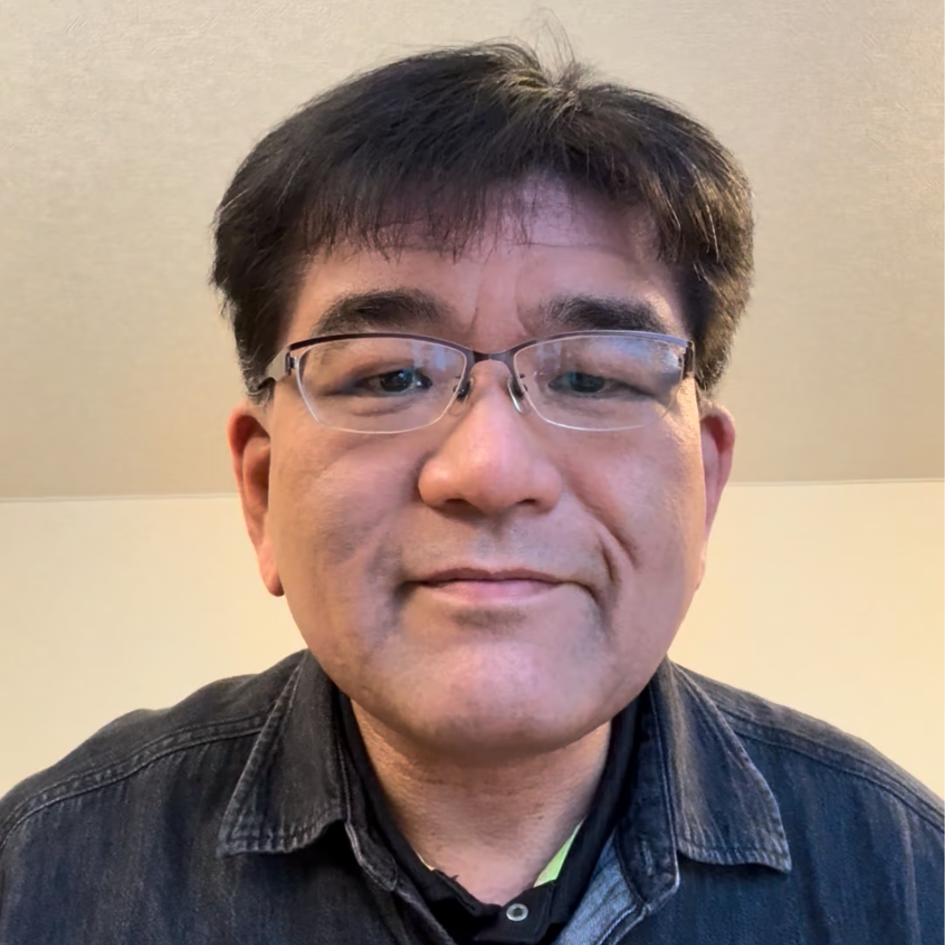
Takeshi Matsuda
Registered Japanese language teacher
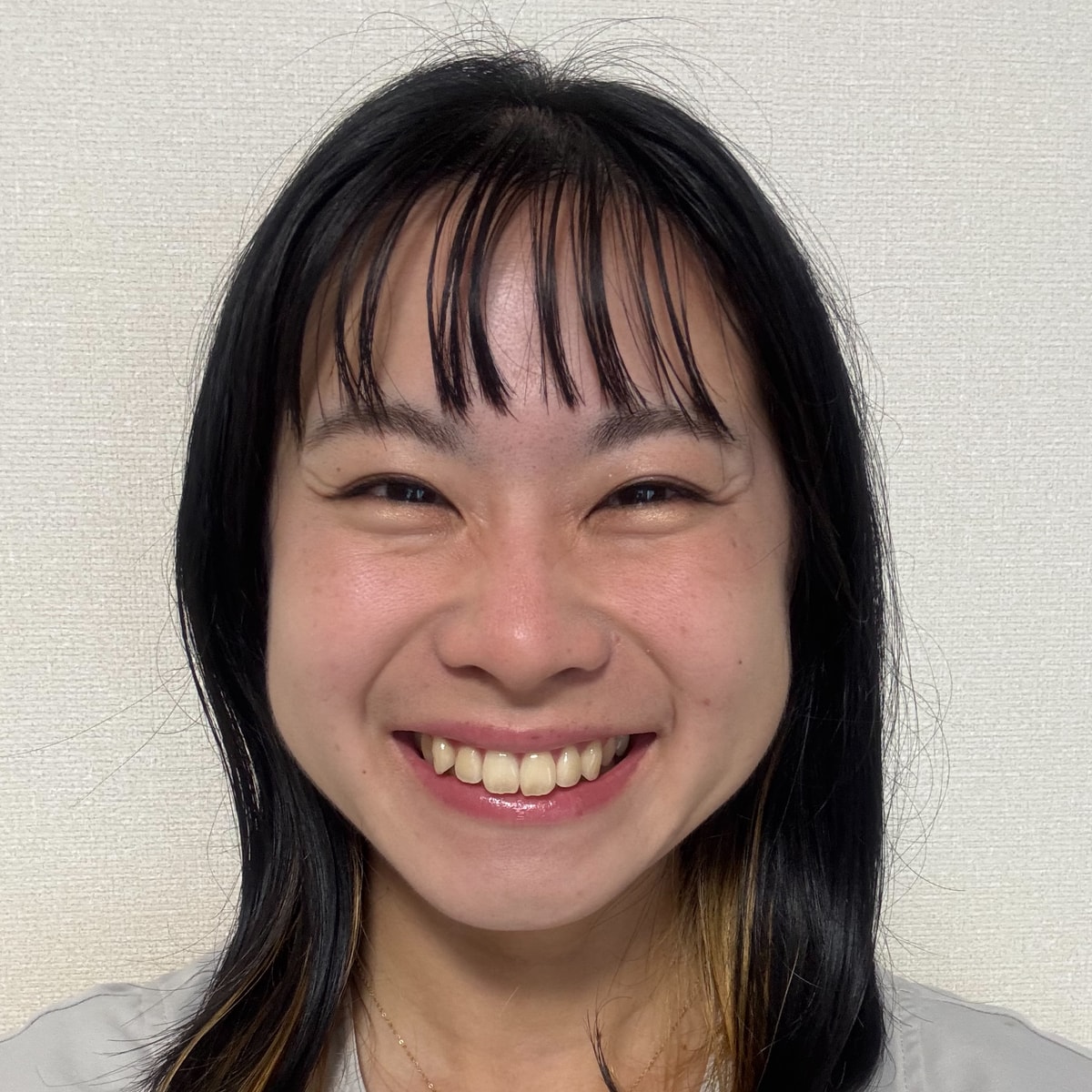
Mizuki Shimooka
Native Japanese speaker & English teacher