
Japanese Noh is a classical theater tradition known for masks, controlled movement, musical chant, and poetic storytelling. It developed in Japan during the medieval period and remains one of the world’s oldest continuously performed theater forms.
A Noh performance can feel quiet and mysterious at first. The story unfolds through a small number of gestures, repeated musical patterns, symbolic props, and carefully stylized speech rather than realistic conversations.
For Japanese learners, Noh is also a useful window into Japanese culture. It introduces traditional vocabulary, formal expression, ideas about memory and spirits, and a different relationship between movement, silence, and meaning.
What Is Noh Theater?
Noh theater, also written as Noh theatre, is a highly stylized form of Japanese drama. The main performer is called the shite, while another performer, often called the waki, supports the dramatic situation. A chorus, musicians, and sometimes additional performers complete the stage arrangement.
Noh took shape from earlier performing traditions during Japan’s medieval period, especially in the fourteenth and fifteenth centuries. Kan’ami developed important performance techniques and helped shape the art, while his son Zeami refined its aesthetics, dramatic structure, and theory. Their work established many conventions still associated with Noh today.
Noh stories often involve a spirit, warrior, woman, deity, or other figure connected to a past event. The character may appear in disguise, reveal an earlier identity, and revisit an emotional memory. The drama is less about surprise than about gradually revealing the meaning beneath the character’s appearance.
The stage itself is deliberately simple. A painted pine tree is traditionally set at the back, and performers use a limited number of props. This minimal design allows the audience to focus on the chant, movement, costume, mask, and atmosphere.
The word “Noh” comes from the idea of ability or skill. The art depends on disciplined training, precise timing, and inherited performance patterns. A dance performed in Noh is not casual dancing; each step, turn, and pause contributes to the character’s emotional world.
The Main Elements of a Noh Performance
The most recognizable elements of Noh are the mask, chant, instruments, chorus, costume, and movement. Each element has a specific role.
- Masks: The main performer may wear a mask representing a young woman, old man, deity, demon, or other figure. Small changes in the angle of the mask can suggest happiness, sorrow, or fear.
- Chant: The story is partly carried by a formal chant rather than ordinary spoken dialogue. Its rhythm and pitch help create the mood.
- Music: A small ensemble uses instruments such as drums and a flute. The musicians do more than provide background music; they shape the performance’s energy.
- Chorus: The chorus describes events, expresses thoughts, and sometimes speaks from the character’s emotional viewpoint.
- Costumes: Elaborate robes communicate status, identity, and historical setting.
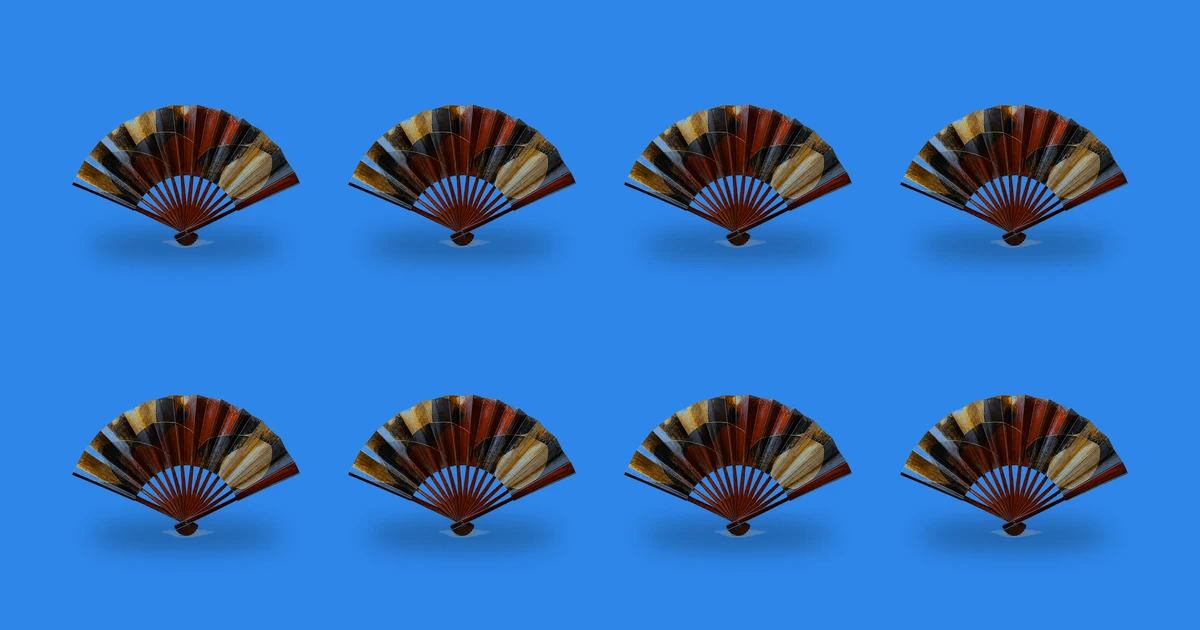
- Props: A fan may represent many objects, including a sword, letter, or branch. The audience is expected to understand the object symbolically.
- Movement: Noh movement is slow, deliberate, and economical. Stillness can be as meaningful as motion.
The combination can inspire awe and create a sense of distance from ordinary life. Noh does not explain every emotion directly; meaning emerges through repetition, posture, sound, and association.
A famous Noh play is Takasago, a celebratory work associated with longevity, harmony, and an idealized married couple. The pine trees in the story also connect with traditional ideas of endurance and sacred space.
How Noh Differs from Modern Theater
Modern theater usually depends on realistic settings, natural conversation, and visible changes in action. Noh uses a different artistic language.
A Noh performer does not always try to look like an ordinary person speaking naturally. The voice may be projected through chant, and a gesture may stand for a much larger action. Walking across the stage can represent a journey, while raising a fan can suggest an object or emotional change.
The audience also plays an important role. Viewers learn to recognize conventions rather than expecting every detail to be explained. A single costume, mask, or musical phrase may connect the present scene with an unseen past.
This is one reason Noh can seem difficult for learners. The Japanese is not simply everyday speech, and the performance uses older vocabulary, poetic grammar, and cultural references. You do not need to understand every word to appreciate the theater, but learning a few key terms makes the experience more accessible.
For language practice, describe what you see before attempting a complete interpretation. Notice the costume, direction of movement, sound, and emotional change. Then explain what you think the character remembers or wants.
Here are four simple sentences for discussing Noh in Japanese:
能は日本の伝統芸能です。
Nō wa Nihon no dentō geinō desu.
Noh is a traditional Japanese performing art.
能では、面を使うことがあります。
Nō de wa, omote o tsukau koto ga arimasu.
In Noh, masks are sometimes used.
謡と楽器が物語の雰囲気を作ります。
Utai to gakki ga monogatari no fun'iki o tsukurimasu.
Chant and instruments create the atmosphere of the story.
この舞は静かですが、強い感情を表しています。
Kono mai wa shizuka desu ga, tsuyoi kanjō o arawashite imasu.
This dance is quiet, but it expresses strong emotion.
Useful Japanese Vocabulary for Talking About Noh
The following vocabulary helps you discuss a performance, compare Noh with other theater forms, and describe what you notice.
Japanese | Hepburn romaji | English meaning |
|---|---|---|
能 | Nō | Noh theater |
能楽 | Nōgaku | Noh and kyōgen theater |
伝統芸能 | dentō geinō | traditional performing art |
面 | omote | Noh mask |
謡 | utai | Noh chant |
囃子 | hayashi | instrumental ensemble |
地謡 | jiutai | Noh chorus |
舞 | mai | stylized dance or dance movement |
舞台 | butai | stage |
扇 | ōgi | folding fan |
物語 | monogatari | story or narrative |
役者 | yakusha | actor or performer |
伝統 | dentō | tradition |
雰囲気 | fun'iki | atmosphere or mood |
表現 | hyōgen | expression or representation |
A cultural note is especially useful: a Noh mask is not designed to show only one fixed emotion. Its appearance can change depending on the performer’s angle, lighting, and movement. This reflects a broader appreciation for suggestion and subtle emotional expression in Japanese traditional arts.
Learners often need feedback on whether their descriptions sound natural, not just whether each individual word is correct. A teacher can let a learner finish a full description before giving indirect feedback, so the learner can practise expressing a complete idea without constant interruption. A useful drill is to describe one mask, chant, or movement, then repeat the description using one corrected phrase.
For additional preparation, review How to Prepare for a Japanese Free Trial Lesson and Japanese Trial Lesson: What Happens and What to Expect.
Common Mistakes When Discussing Noh
Learners often confuse Noh with other Japanese performance traditions. Kabuki is also classical Japanese theater, but its costumes, makeup, movement, staging, and acting conventions are different. Bunraku is puppet theater, while Noh centers on masked and highly stylized human performers.
Another common mistake is treating Noh as ordinary spoken Japanese. The chant may sound unfamiliar even when the underlying story is understandable. It is better to say that a performer chants or recites in a stylized way than to describe every vocal passage as normal conversation.
Some learners also expect props to be literal. In Noh, a fan may represent several different objects depending on the scene. A simple stage does not mean that the story lacks detail; it means the performance invites the audience to imagine more.
A natural before-and-after correction can make your description more precise:
面が怖いです。
Omote ga kowai desu.
The mask is scary.
この面は、悲しみを表しているように見えます。
Kono omote wa, kanashimi o arawashite iru yō ni miemasu.
This mask appears to express sadness.
The first sentence is grammatically correct, but the second explains interpretation rather than giving only a personal reaction. Practise making one observation and then adding what the feature may represent.
If you study Japanese through Noh, separate your goals:
- Learn the broad story first.
- Identify the performers and stage elements.
- Listen for repeated sounds or phrases.
- Read a short explanation of the play.
- Practise describing one scene in your own Japanese.
- Ask a teacher to check your pronunciation, grammar, and level of politeness.
Kind Japanese offers online, one-on-one lessons over LINE. Standard one-on-one lessons are 25 minutes, creating a focused setting for presenting one interpretation, receiving correction, and trying the explanation again. You can bring a Noh scene, vocabulary list, or short summary as your speaking topic.
FAQ
Is Noh the same as Kabuki?
Noh and Kabuki are both major Japanese theater traditions, but their performance styles are different. Noh emphasizes masks, chant, restrained movement, and spiritual or poetic stories, while Kabuki is more visually dynamic and often uses dramatic makeup, larger gestures, and elaborate stage effects. Their histories, staging conventions, and performer training also developed differently.
Do Noh performers speak normal Japanese?
Noh includes language, but much of the vocal performance is formal chant rather than ordinary conversation. The vocabulary, pronunciation, rhythm, and grammar may reflect older Japanese, so modern learners usually need a synopsis or glossary before interpreting every line confidently. Listening to the sound and observing the action together can make the language more approachable.
Why do Noh performers move so slowly?
Slow movement is a deliberate artistic choice that communicates control, dignity, tension, and emotional depth. Because gestures are limited, even a small turn or pause can carry meaning, allowing the story to unfold through atmosphere rather than rapid physical action. The measured pace also helps connect movement, chant, costume, and silence.
Can Japanese learners study Noh without advanced Japanese?
Yes, learners can begin with the visual elements, story summary, and basic vocabulary before studying the original language in detail. A teacher can help you describe masks, music, and movement in accessible Japanese, then gradually introduce formal expressions and cultural references as your comprehension develops. A focused topic also gives beginners a manageable way to practise speaking.
When you are ready to discuss traditional Japanese culture with a live teacher, book a Free Trial Lesson over LINE.

