

Japanese speech practice is the bridge between knowing the language and using it. Many learners can read a textbook dialogue perfectly on the page, yet their voice tightens the moment they have to say it out loud to a real person. That gap is normal, and it closes faster than you might expect once you practise speaking in a structured, low-pressure way.
This guide covers what "speech practice" really means, how to build a weekly routine, key phrases to rehearse, common pronunciation mistakes, and how one-on-one practice can accelerate everything.
What Japanese Speech Practice Actually Means
Speech practice is any activity where you produce spoken Japanese, out loud, with attention to how it sounds and whether it communicates. It is different from listening, reading, or silently reviewing flashcards.
There are two broad kinds of speech practice, and you need both:
- Solo practice — shadowing, reading aloud, recording yourself, or narrating your day. This builds mouth memory and rhythm.
- Interactive practice — speaking with a live teacher or partner who responds, corrects, and pushes you to produce unscripted language.
From a teacher's perspective, learners often make strong progress with solo drills but stall on spontaneity, because reciting a memorised line is very different from answering an unexpected question. Both matter, and they reinforce each other. If you want a deeper toolkit for the solo side, see How to Practice Speaking Japanese Alone.
One cultural note: spoken Japanese changes shape depending on who you are talking to. The same idea can be casual with a friend and formal with a stranger. Practising both registers early keeps you from sounding stiff or, conversely, too blunt.
Core Phrases to Rehearse Out Loud
Rehearsing a small set of high-frequency phrases until they feel automatic frees up your mind for the harder parts of a conversation. Say each one aloud, not in your head.
Japanese | Romaji | English Meaning |
|---|---|---|
もう一度お願いします | Mō ichido onegai shimasu | Once more, please |
ゆっくり話してもらえますか | Yukkuri hanashite moraemasu ka | Could you speak slowly? |
ちょっと考えさせてください | Chotto kangaesasete kudasai | Please let me think for a moment |
何と言えばいいですか | Nan to ieba ii desu ka | How should I say this? |
今の言い方は自然ですか | Ima no iikata wa shizen desu ka | Was that way of saying it natural? |
例えば | Tatoeba | For example |
つまり | Tsumari | In other words |
The last two — つまり (tsumari) and 例えば (tatoeba) — are "buying time" connectors. Speakers use them to keep talking smoothly while their brain catches up, and they instantly make you sound more fluent.
Building a Weekly Speech Routine
A routine beats intensity. Fifteen honest minutes most days will outperform one long, exhausting session once a week. Structure your practice around a simple loop: input, imitate, produce, review.
- Warm up (input). Listen to a short clip — a podcast line, a drama scene, or a textbook audio track — and read the transcript.
- Shadow it. Play the audio and speak over it, matching pitch and speed. Do this three or four times.
- Produce freely. Close the transcript and describe the same topic in your own words. Talk about your day, your opinion, or a plan.
- Record and review. Record step three on your phone. Listen back once for meaning, once for pronunciation.
A useful habit is keeping a personal "question list": every time you get stuck on how to say something, write it down and bring it to your next practice session. This turns your real communication gaps into targeted practice, which is far more efficient than random drills.
Fixing Pronunciation and Rhythm
Japanese pronunciation feels approachable because the sound inventory is small, but rhythm is where most learners reveal their accent. Focus on these features:
- Mora timing. Japanese counts beats, not syllables. とうきょう (Tōkyō, Tokyo) is four beats: to-o-kyo-o. Rushing long vowels is the most common rhythm error.
- Pitch accent. はし can mean 橋 (hashi, bridge) or 箸 (hashi, chopsticks) depending on pitch. You do not need perfect pitch to be understood, but awareness helps.
- Devoiced vowels. In です (desu) and ます (masu), the final u often nearly disappears. Saying a full "oo" sound marks you as a beginner.
A teacher can help here in a way that apps cannot: one-on-one feedback can catch a habit you literally cannot hear in yourself, then give you an immediate corrected model to imitate.
Example Sentences for Real Practice
Practise these full sentences aloud. Say each one until it flows without looking, then try swapping in your own details.
週末は友達と日本食レストランに行きました。 Shūmatsu wa tomodachi to Nihonshoku resutoran ni ikimashita. On the weekend I went to a Japanese restaurant with a friend.
すみません、道に迷ってしまいました。 Sumimasen, michi ni mayotte shimaimashita. Excuse me, I've gotten lost.
アメリカ時間の夜にレッスンを受けたいです。 Amerika jikan no yoru ni ressun o uketai desu. I want to take lessons in the evening US time.
もう少し練習すれば、きっと話せるようになります。 Mō sukoshi renshū sureba, kitto hanaseru yō ni narimasu. If I practise a little more, I'll surely become able to speak.
その言い方がわからなかったので、教えてください。 Sono iikata ga wakaranakatta node, oshiete kudasai. I didn't understand how to say that, so please teach me.
How One-on-One Practice Speeds Things Up
Speaking with a live teacher gives you something solo practice cannot: real-time correction and unscripted questions. Kind Japanese runs 25-minute one-on-one lessons over LINE, which fits naturally into a busy week and lets you practise from anywhere in the world.
Here is a sample 25-minute LINE lesson flow built entirely around speaking:
- Warm-up (a few minutes). Light small talk to get your mouth moving in Japanese — the weather, your week, your mood.
- Target speaking task. You attempt one real situation — ordering food, explaining a problem, giving an opinion — while the teacher listens.
- Correction. The teacher reshapes your sentences, models natural phrasing, and has you repeat the corrected version aloud.
- Your review note. You write down two or three corrections and one new phrase to keep, plus any question that came up.
To make scheduling easy across time zones, propose your lesson windows in your own local time. A simple message such as ヨーロッパの夜の時間にレッスンを受けたいです (Yōroppa no yoru no jikan ni ressun o uketai desu, I want to take lessons in the evening in Europe) removes any confusion. If you are transitioning from app-based study toward talking with a person, Online Japanese Lessons: From App Study to Speech walks through that shift.
Ready to hear yourself improve in real time? Start with a Free Trial lesson with Kind Japanese and bring one speaking situation you want to practise.
Common Mistakes in Speech Practice
From a teacher's perspective, a handful of habits slow learners down more than any grammar gap. Watch for these:
- Practising only in your head. Silent review does not train the muscles of speech. Learners often confuse "I understand this" with "I can say this," but the mouth needs its own reps.
- Memorising monologues instead of answering questions. A polished self-introduction is useless if you freeze on the first follow-up. Practise responding, not reciting.
- Avoiding words you cannot pronounce. Dodging hard sounds keeps your accent frozen. Face them slowly instead.
- Translating word-for-word from English. Learners often build a full English sentence, then convert it, which produces stiff, unnatural Japanese. Try starting from a Japanese pattern you already know.
- Waiting until you "feel ready." Fluency is built by speaking imperfectly, not by preparing to speak perfectly.
Note that speaking practice is separate from what the JLPT measures. The JLPT tests language knowledge, reading, and listening — it has no speaking section — so even a high score does not automatically mean you can hold a conversation. Speaking still needs its own dedicated practice.
FAQ
How long does it take to become conversational in Japanese?
It depends on your starting point and how often you practise speaking specifically. Learners who speak aloud daily, even for short sessions, reach basic conversational comfort far faster than those who only study grammar. Consistent interactive practice with feedback is the single biggest accelerator, more than total study hours alone.
Can I practise Japanese speaking alone effectively?
Yes, up to a point. Shadowing, reading aloud, and recording yourself build rhythm, pronunciation, and confidence. What solo practice cannot provide is correction of mistakes you can't hear and unscripted questions that force spontaneous production. Combining solo drills with regular one-on-one practice gives you the fastest, most balanced progress.
Is pronunciation or grammar more important when speaking?
Both matter, but for being understood, rhythm and clarity often outweigh perfect grammar. A message with small grammar slips but natural timing usually communicates well. That said, don't neglect either — a teacher can help you prioritise the fixes that most improve how clearly listeners understand you in real conversations.
How do I stop freezing up when I speak Japanese?
Freezing usually comes from trying to build perfect sentences under pressure. Rehearse "buying time" connectors like つまり (tsumari, in other words) so you can keep talking while you think. Practise answering unpredictable questions, not reciting scripts, and speak often in low-stakes settings until spontaneity feels normal.
LEARN WITH OUR TEACHERS
Ready to use what you learned in a real lesson?
Friendly Kind Japanese teachers support you with live online lessons shaped around your level and goals.
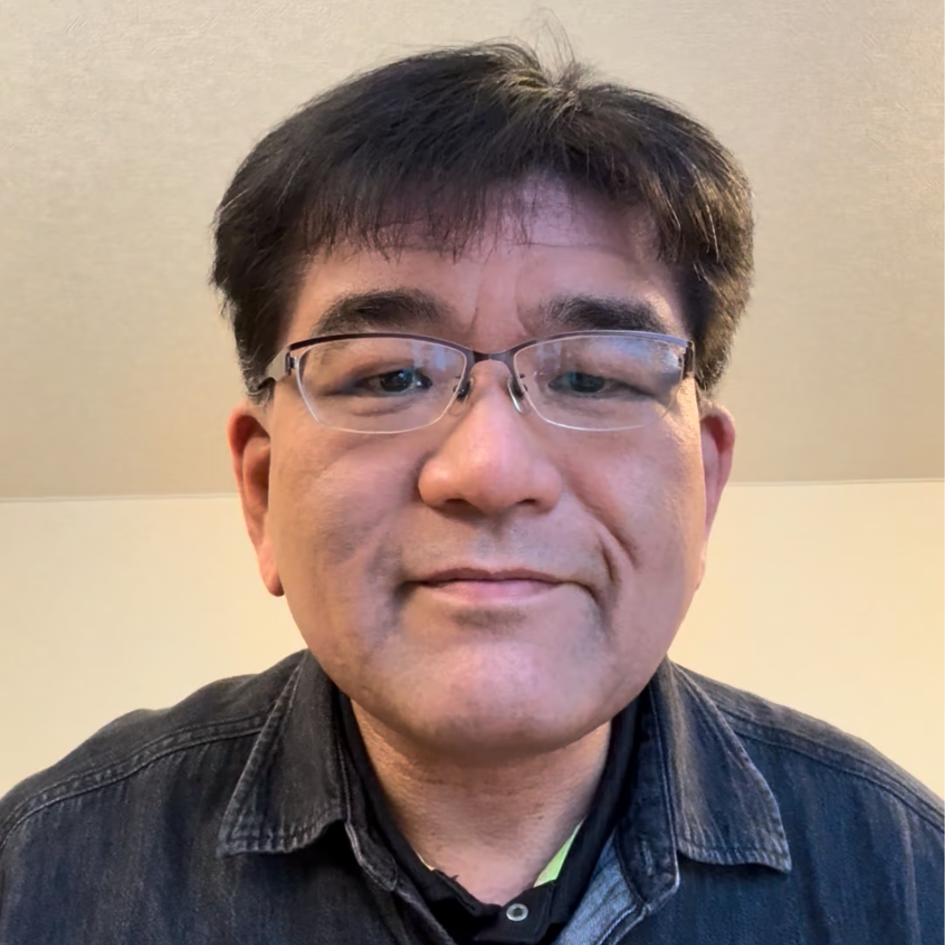
Takeshi Matsuda
Registered Japanese language teacher
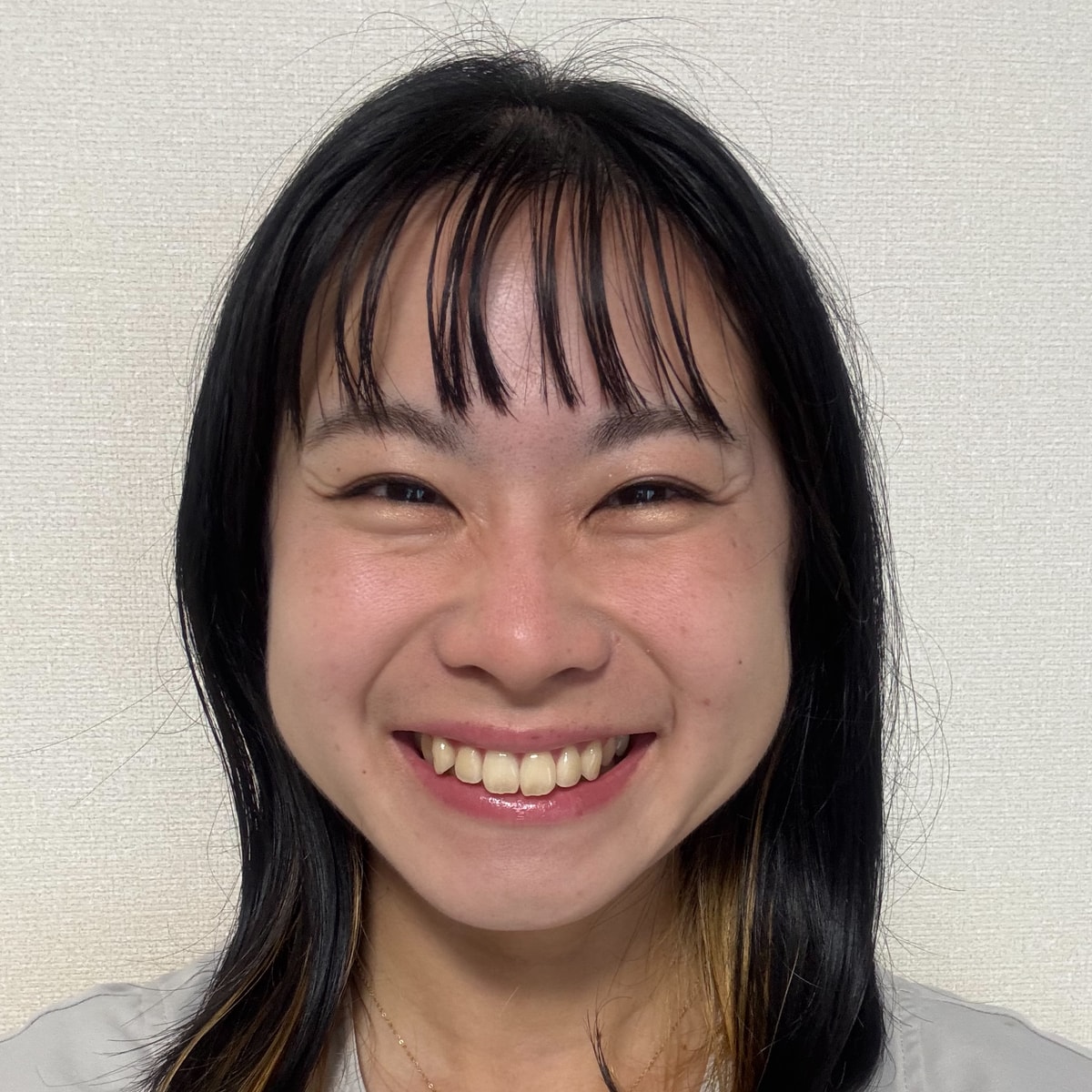
Mizuki Shimooka
Native Japanese speaker & English teacher