
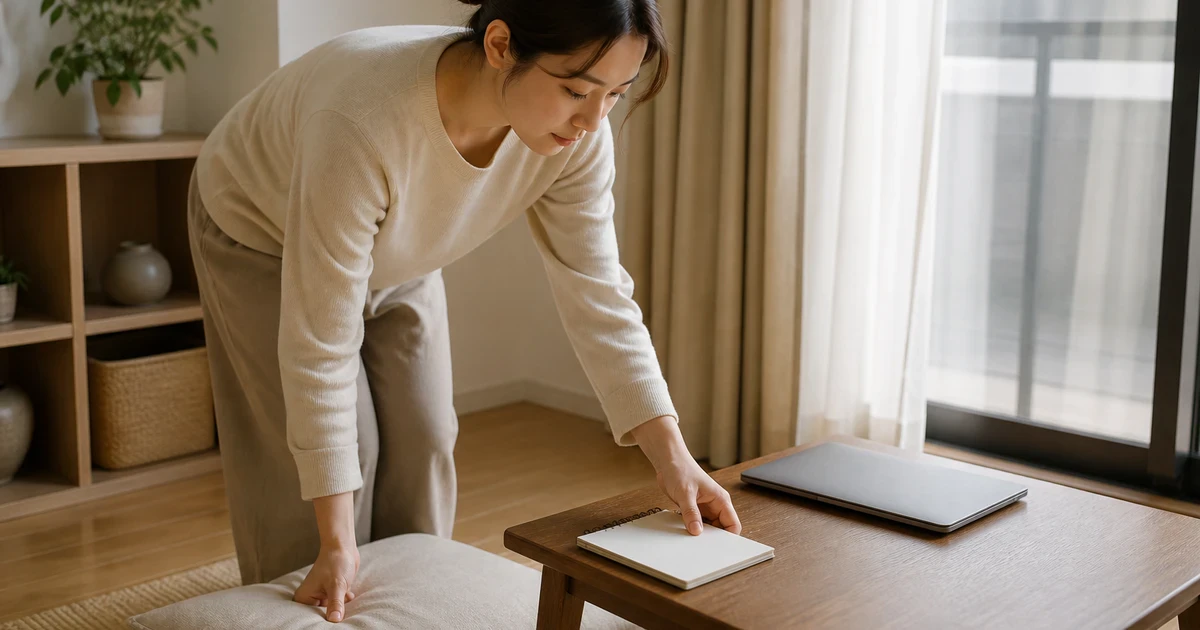
One-on-one Japanese lessons for shy beginners are often the calmest way to start speaking Japanese. Instead of performing in front of a group, you can speak one sentence at a time, ask for repetition, and receive gentle correction from an online Japanese tutor for beginners.
If you are nervous, quiet, or worried that your Japanese is “too basic,” private Japanese lessons for beginners can remove many of the pressures that make learners freeze. The goal of the first lesson is not to sound fluent. The goal is to feel safe enough to try.
Why Private Lessons Feel Lower-Pressure
A private lesson gives you space to pause, repeat, and make mistakes without an audience. That matters because shy beginners often understand more than they can say aloud. In a group class, the speed, other students, and fear of being watched can make even simple Japanese feel difficult.
In a one-on-one lesson, the teacher can adjust immediately. If you need English support, slower speech, simpler grammar, or a written example in chat, you can ask. You do not need to compete with faster learners or pretend to understand.
This is especially helpful if you are learning outside Japan. You may not have many chances to speak Japanese naturally, so your first live conversation can feel bigger than it really is. A short, private online lesson keeps the first step manageable.
If you want to build confidence before or alongside private lessons, the guide to basic Japanese conversation practice for beginners is a useful place to review simple speaking habits.
How the First Lesson Usually Works
The first lesson should confirm your level, your goal, and the pace that feels comfortable. With Kind Japanese, lessons are online and arranged through LINE, so you can start by messaging before you speak. That is helpful if you feel nervous about explaining yourself live.
A shy beginner’s first lesson may include:
- a short greeting
- a simple self-introduction
- one or two easy questions
- pronunciation practice
- correction of one useful sentence
- a small review plan
You can also tell the teacher in advance: “I am shy,” “I want to go slowly,” or “I need English support.” You do not have to wait until the lesson starts to explain your situation.
For video, camera expectations can vary by teacher or lesson format, so ask before the lesson if you are uncomfortable. Many shy learners feel better starting with audio, chat support, or camera off while they get used to speaking. The important point is to confirm expectations early, not to force yourself into a format that makes you panic.
Scheduling, cancellation rules, and lesson details should also be checked before you commit. A good trial lesson helps you see whether the pace, teacher style, and communication method fit you.
What to Practice First
Start with survival phrases that help you stay in the conversation. Shy beginners do not need complicated grammar in the first lesson. You need phrases that let you ask for help, slow the lesson down, and explain your level honestly.
Japanese | Romaji | English meaning |
|---|---|---|
はじめまして | Hajimemashite | Nice to meet you |
よろしくお願いします | Yoroshiku onegaishimasu | Please be kind to me / I look forward to learning with you |
ゆっくりお願いします | Yukkuri onegaishimasu | Please go slowly |
もう一度お願いします | Mō ichido onegaishimasu | Please say it one more time |
少しわかります | Sukoshi wakarimasu | I understand a little |
まだよくわかりません | Mada yoku wakarimasen | I do not understand well yet |
英語で説明してもいいですか | Eigo de setsumei shite mo ii desu ka | May I explain in English? |
日本語をもっと話したいです | Nihongo o motto hanashitai desu | I want to speak Japanese more |
緊張しています | Kinchō shite imasu | I am nervous |
大丈夫です | Daijōbu desu | It is okay / I am okay |
These phrases are small, but they give you control. When you can say “Please go slowly” or “I do not understand well yet,” you do not have to disappear from the conversation.
Here are simple example sentences you can actually use in a first lesson:
はじめまして。日本語を勉強しています。
Hajimemashite. Nihongo o benkyō shite imasu.
Nice to meet you. I am studying Japanese.
今日は少し緊張しています。
Kyō wa sukoshi kinchō shite imasu.
I am a little nervous today.
もう一度お願いします。
Mō ichido onegaishimasu.
Please say it one more time.
日本語をもっと話したいです。
Nihongo o motto hanashitai desu.
I want to speak Japanese more.
英語で説明してもいいですか。
Eigo de setsumei shite mo ii desu ka.
May I explain in English?
If you want more sentence patterns for daily speaking, the broader guide to Japanese conversation practice for beginners can help you expand beyond the first lesson.
How Gentle Correction Builds Confidence
Good correction makes speaking less scary, not more embarrassing. In a private lesson, the teacher can correct one sentence while the idea is still fresh. You hear the better version, repeat it, and understand why it works.
For example, a beginner might say a sentence that is understandable but stiff. The teacher can help make it shorter, more natural, or easier to say aloud. This is different from studying alone, where you may not know whether your sentence sounds normal.
Correction can focus on:
- pronunciation
- particle choice
- word order
- polite endings
- natural rhythm
- choosing simpler wording
The best correction style for shy beginners is limited and practical. You do not need every tiny mistake interrupted. You need the corrections that help you communicate more clearly next time.
A cultural note: in Japanese lessons, polite language such as です (desu) and ます (masu) is often the safest starting point. It sounds respectful, works in many situations, and gives beginners a stable base before casual speech.
Private Lessons vs Group Classes and Marketplaces
A fixed one-on-one lesson can feel safer than a group class or a large tutor marketplace because there are fewer decisions and fewer people involved. Group classes can be useful, but shy beginners may spend the whole class waiting nervously for their turn.
Tutor marketplaces offer many choices, but that can become stressful: profiles, prices, reviews, availability, teaching styles, and booking systems all need comparison. For some learners, that choice is useful. For shy beginners, it can become another reason to delay speaking.
A LINE-based private lesson is simpler: you message, explain your goal, try a lesson, and decide whether the teacher’s pace suits you. You should still check practical details such as lesson length, scheduling, cancellation policy, and whether English support is available. But the emotional load can be lower because the first action is just sending a message.
If you are deciding whether paid support is right for you, read the guide on whether Japanese lessons are worth paying for before choosing a long-term study plan.
Common Mistakes Shy Beginners Make
Shy beginners often wait until they “know enough” before speaking, but speaking is how you discover what you actually need. You do not need to master grammar first. You need a few safe phrases and a teacher who can guide the next sentence.
Learners also often over-prepare. They write long self-introductions, memorize difficult words, and become more nervous because they fear forgetting everything. A better first lesson uses short, repeatable sentences.
Another common mistake is hiding confusion. In Japanese, saying わかりません (wakarimasen, “I don’t understand”) is not failure. It is useful communication. Your teacher can only adjust the lesson if you show where you need help.
Finally, beginners sometimes focus only on nouns and phrases, but verbs quickly become important for real conversation. To prepare for future lessons, review essential basic Japanese verbs for beginners after you are comfortable with your first speaking phrases.
FAQ
Are one-on-one Japanese lessons good for shy beginners?
Yes. One-on-one lessons are often a strong fit because you speak only with the teacher, not in front of classmates. The teacher can slow down, repeat, use English support when needed, and correct only what is useful. This makes the first speaking experience feel smaller and more manageable.
Do I have to turn my camera on?
Ask before the lesson, because camera expectations may depend on the teacher or format. If video makes you anxious, explain that in your LINE message before starting. Many shy beginners feel more comfortable when they can begin with audio, chat support, or a clear agreement about camera use.
Can I message my goal before speaking?
Yes, and it is a smart idea. You can write a short message such as “I am a beginner,” “I am shy,” or “I want to practice self-introduction.” This helps the teacher prepare the right pace and saves you from explaining everything under pressure during the lesson.
What if I make many mistakes?
Mistakes are expected in a beginner lesson. The teacher’s job is not to judge you, but to help you turn unclear Japanese into clearer Japanese. A good first lesson corrects a small number of useful points so you leave with sentences you can actually say again.
Continue Learning
If you want to practice these first phrases with a real teacher in a low-pressure online lesson, book a Free Trial Lesson on LINE.
Bring one goal, one question, and one phrase from the table. That is enough for a first lesson. You can build confidence from there, one sentence at a time.
This standalone guide supports the Kind Japanese beginner curriculum by helping nervous learners take their first private speaking lesson with confidence.

