
Japanese quality is often associated with products that feel carefully made, reliable, and thoughtfully designed. The explanation is not one single national trait. It comes from long-term habits: attention to detail, continual improvement, disciplined management, respect for users, and pride in craftsmanship.
This reputation appears in products, public services, food, transportation, and traditional Japanese arts. It also offers a useful lesson for Japanese learners: quality is often built through small, repeated choices rather than one dramatic effort.
What Does “Japanese Quality” Mean?
Japanese quality usually means consistency, usability, durability, and care in the details. A high-quality product is expected to work well, look considered, and remain dependable over time.
The same idea applies to services. A restaurant may value careful preparation, clean presentation, and reliable hospitality. A train service may be judged by punctuality, clear information, and smooth handling of unexpected problems. Quality includes the whole experience, not only the final object.
A helpful Japanese concept is こだわり (kodawari, particular care or commitment to a detail). Kodawari can be positive when it improves the user’s experience. It might appear in the shape of a tool, the balance of a meal, or the exact feel of a traditional craft.
This does not mean every Japanese product is perfect. Japan has ordinary products, inconsistent services, and businesses that make mistakes, like every country. The broader reputation comes from systems and expectations that make careful work valuable.
Kaizen and the Management of Quality
One major explanation is kaizen, meaning continuous or incremental improvement. In Japanese workplaces, kaizen is often connected with finding small ways to reduce waste, prevent errors, improve safety, and make work easier.
Kaizen is powerful because it turns quality into a daily responsibility. Instead of waiting for a major redesign, a team may ask:
- Where does a mistake usually happen?
- Which step causes unnecessary effort?
- How can information move more clearly?
- What small change would make the process safer?
- How can the improvement be repeated consistently?
Good management supports these questions. Managing quality requires clear standards, training, measurement, and communication between the people who design, make, sell, and maintain a product.
This approach is especially visible in manufacturing, but it is not limited to factories. A school, clinic, hotel, or software team can also use continual improvement. The goal is not simply to work harder. It is to create a process that makes good work easier to repeat.
A teacher can use a related learning principle: feedback becomes more useful when it connects a mistake to a small, memorable pattern. For example, learners can review katakana by comparing stroke direction and length, or connect grammar through several related verbs instead of one isolated correction.
Monozukuri, Craftsmanship, and Product Design
The word ものづくり (monozukuri, the making of things) describes more than manufacturing. It suggests a serious attitude toward creating useful, well-made objects. Monozukuri can combine technical skill, material knowledge, design, and responsibility toward the person who will use the result.
Craftsmanship matters because experienced makers notice details that are easy to overlook. They may consider how a material changes with age, how a handle feels in the hand, or how a customer naturally uses an object. This practical knowledge can influence product design long before a finished item reaches a shop.
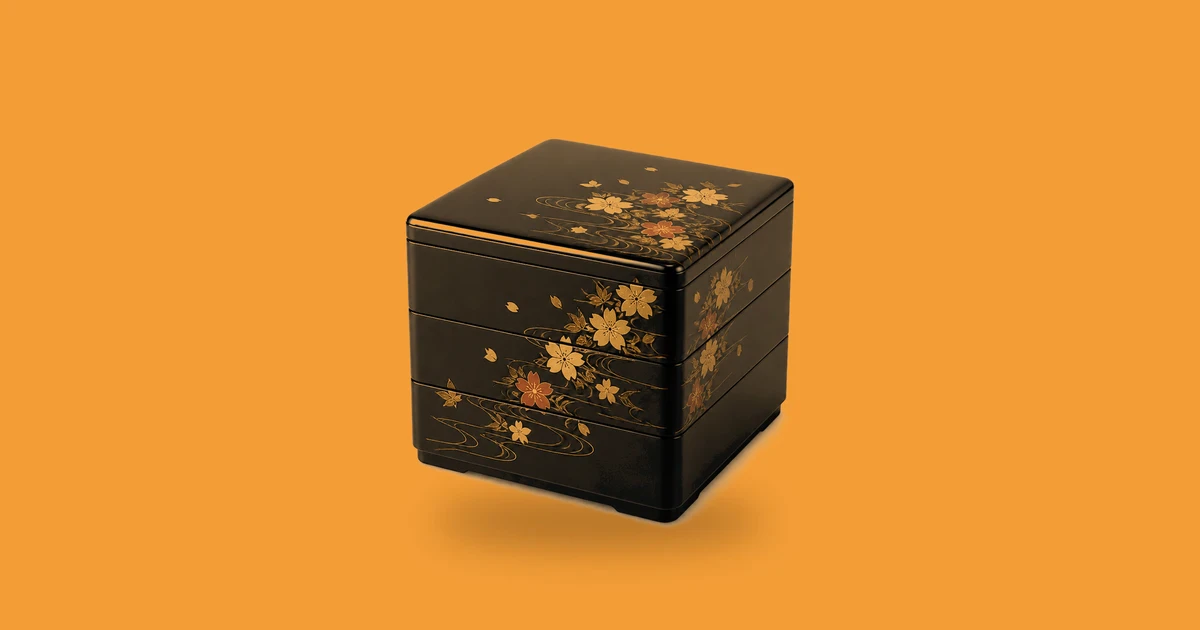
Traditional Japanese crafts offer many examples of patient, specialized work. Pottery, woodworking, textiles, knives, paper, and lacquerware may involve techniques developed and refined across generations. Traditional does not automatically mean better, but accumulated knowledge can provide a strong foundation for quality.
Design also affects trust. Clear controls, balanced proportions, easy maintenance, and attractive but practical packaging can make a product feel dependable. When design anticipates the user’s needs, quality becomes visible before the product is tested.
Japanese | Hepburn romaji | English meaning |
|---|---|---|
改善 | kaizen | continual improvement |
ものづくり | monozukuri | making things; manufacturing craftsmanship |
こだわり | kodawari | particular care; strong commitment to detail |
品質管理 | hinshitsu kanri | quality management |
職人技 | shokunin-waza | artisan skill; craftsmanship |
日本料理 | Nihon ryōri | Japanese cuisine |
野菜 | yasai | vegetables |
魚 | sakana | fish |
Food, the Japanese Diet, and Everyday Care
Food is another important part of the answer. The Japanese diet traditionally includes rice, fish, vegetables, soup, fermented foods, and carefully prepared side dishes. The balance varies by region and household, but meals often place value on freshness, seasonality, texture, and presentation.
A meal does not need to be expensive to show care. Cutting vegetables evenly, choosing ingredients at the right stage, and matching flavors thoughtfully can improve the experience. These details reflect the same principle found in manufacturing: small decisions accumulate.
Traditional Japanese food culture also values seasonality. Ingredients may be associated with a particular time of year, and menus can change accordingly. Someone living in Iowa, for example, might compare this seasonal awareness with local farm products and ask how place affects ideas of freshness.
It is important not to turn this into a health guarantee. The Japanese diet can include nutritious foods, but actual eating habits differ widely. Healthy food choices depend on portions, variety, preparation, and an individual’s needs. Quality food means more than a national label.
Here are four useful sentences for discussing the topic in Japanese:
日本の製品は品質が安定していると思います。
Nihon no seihin wa hinshitsu ga antei shite iru to omoimasu.
I think Japanese products have consistent quality.
改善を続けることが、品質管理につながります。
Kaizen o tsuzukeru koto ga, hinshitsu kanri ni tsunagarimasu.
Continuing to improve leads to quality management.
職人技が、伝統的な製品の魅力を高めています。
Shokunin-waza ga, dentōteki na seihin no miryoku o takamete imasu.
Artisan skill increases the appeal of traditional products.
魚や野菜を大切に使う料理を食べたいです。
Sakana ya yasai o taisetsu ni tsukau ryōri o tabetai desu.
I want to eat food that makes careful use of fish and vegetables.
Respect, Responsibility, and Common Mistakes
Respect is closely connected with quality because it changes how people think about responsibility. If a maker respects the user, safety, clarity, durability, and ease of use become part of the job rather than optional extras.
The same principle applies to services. Respect may mean giving accurate information, keeping promises, preparing carefully, or making a problem easier for the customer to solve. It is expressed through actions, not only polite words.
Learners often confuse politeness with quality communication. A sentence can be grammatically formal but still sound unnatural if it ignores the relationship, the medium, or who is responsible for the next action. Teachers address this by letting learners finish an idea before giving feedback on register and response choices.
Common mistakes include:
- Assuming “traditional” always means superior. Traditional methods can be valuable, but quality still depends on purpose, materials, safety, and execution.
- Treating kaizen as endless work. Improvement should reduce waste and create better results, not simply add pressure.
- Focusing only on appearance. Attractive design matters, but reliability, repairability, and usability are equally important.
- Copying Japanese phrases from entertainment without checking context. Expressions associated with anime or historical characters may sound strange in ordinary conversation.
- Studying quality-related vocabulary without practising discussion. Learners need to explain causes, compare examples, and express an opinion—not only memorize definitions.
If you want to discuss Japanese culture naturally, Learn Japanese Small Talk That Actually Flows can help you turn knowledge into conversation. Learners with demanding work schedules may also find Japanese Tutor for Busy Professionals useful when choosing a practical study format.
How to Talk About Japanese Quality in Japanese
A strong conversation answer should include a clear opinion, one or two reasons, and a concrete example. You might compare manufacturing with food, or explain how management and craftsmanship work together.
For speaking practice, a standard Kind Japanese lesson is a focused 25-minute one-on-one lesson over LINE. A practical lesson flow can include:
- A short warm-up about a product, meal, or service you know.
- A target speaking task, such as explaining why a Japanese item is reliable.
- Corrections to grammar, pronunciation, vocabulary, and register.
- A learner-owned review note or question list for continued practice.
Prepare a few possible lesson windows in your own time zone, stating your preferred days and whether you need morning, afternoon, or evening practice. This gives a teacher useful context without assuming availability.
A free trial can help you test whether focused speaking practice suits your goals. Book a Free Trial Lesson over LINE and bring one question about Japanese culture, food, design, or workplace communication.
FAQ
Is Japanese quality always better than quality from other countries?
Japanese quality is not universally better, and no country produces perfect goods or services. Japan’s reputation comes from strengths such as consistency, careful processes, craftsmanship, and attention to users. A fair comparison considers purpose, maintenance, materials, safety, sustainability, and value rather than relying on nationality alone.
What is kaizen in simple terms?
Kaizen means making small, ongoing improvements to a process, product, or working environment. It can prevent repeated mistakes, reduce wasted effort, improve safety, or clarify information. Kaizen is useful because it makes quality a regular habit instead of treating improvement as a rare project led only by senior management.
How are Japanese food and quality connected?
Japanese food culture often emphasizes freshness, seasonality, balance, preparation, and presentation. These priorities can create a strong sense of quality in meals featuring fish, vegetables, rice, or traditional dishes. They do not guarantee that every meal is healthy or superior, because ingredients, portions, cooking methods, and personal habits still matter.
Can Japanese lessons help me discuss culture and quality?
Yes. A live teacher can help you organize an opinion, choose natural vocabulary, and adjust politeness for conversation. One-on-one practice is especially useful when you understand an idea in English but need feedback to explain it clearly, naturally, and confidently in Japanese.

