
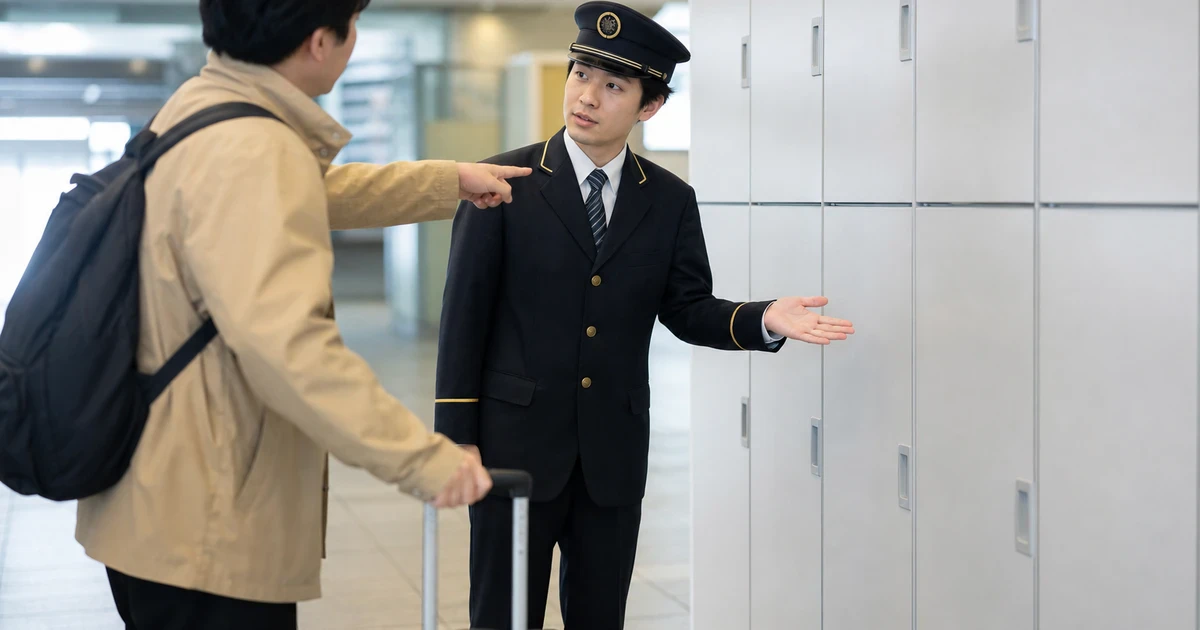
Survival Japanese phrases are short, polite expressions that help you handle real situations in Japan before you feel fluent. If you can get attention, ask where something is, confirm a price, explain a problem, and ask someone to repeat slowly, you can solve many travel and daily-life problems.
This guide is built for learners outside Japan who want practical Japanese for airports, trains, taxis, restaurants, shopping, hotels, housing, school offices, lost items, Wi-Fi, medical help, and emergencies. For a trip-focused companion list, keep the Japanese travel words and phrases guide open too.
Essential Survival Japanese Phrases
Start with the phrases you can use immediately: excuse me, please, thank you, I do not understand, and help me. These work across almost every situation.
Situation | Japanese | Romaji | English meaning |
|---|---|---|---|
Polite attention | すみません | Sumimasen | Excuse me / sorry |
Thanks | ありがとうございます | Arigatō gozaimasu | Thank you very much |
Request | お願いします | Onegaishimasu | Please / I would like your help |
Refusing politely | 大丈夫です | Daijōbu desu | It is okay / no thank you |
Confusion | わかりません | Wakarimasen | I do not understand |
Repeat | もう一度お願いします | Mō ichido onegaishimasu | Please say it again |
Slower speech | ゆっくりお願いします | Yukkuri onegaishimasu | Slowly, please |
English support | 英語は話せますか | Eigo wa hanasemasu ka | Can you speak English? |
Written support | 書いてください | Kaite kudasai | Please write it down |
Directions | ここに行きたいです | Koko ni ikitai desu | I want to go here |
Directions | これはどこですか | Kore wa doko desu ka | Where is this? |
Restroom | トイレはどこですか | Toire wa doko desu ka | Where is the restroom? |
Station | この電車は新宿に行きますか | Kono densha wa Shinjuku ni ikimasu ka | Does this train go to Shinjuku? |
Platform | 何番線ですか | Nan-bansen desu ka | Which platform is it? |
Ticket | 切符はどこで買えますか | Kippu wa doko de kaemasu ka | Where can I buy a ticket? |
IC card | ICカードは使えますか | Ai shī kādo wa tsukaemasu ka | Can I use an IC card? |
Taxi | この住所までお願いします | Kono jūsho made onegaishimasu | Please go to this address |
Airport | 入国審査はどこですか | Nyūkoku shinsa wa doko desu ka | Where is immigration? |
Lost item | 財布をなくしました | Saifu o nakushimashita | I lost my wallet |
Price | いくらですか | Ikura desu ka | How much is it? |
Buying | これをください | Kore o kudasai | I will take this, please |
Payment | カードは使えますか | Kādo wa tsukaemasu ka | Can I use a card? |
Bag request | 袋をください | Fukuro o kudasai | Please give me a bag |
Recognition phrase | 袋はいりますか | Fukuro wa irimasu ka | Do you need a bag? |
Restaurant | 水をください | Mizu o kudasai | Water, please |
Restaurant | おすすめは何ですか | Osusume wa nan desu ka | What do you recommend? |
Allergy | 卵アレルギーがあります | Tamago arerugī ga arimasu | I have an egg allergy |
Restaurant problem | 注文したものがまだ来ていません | Chūmon shita mono ga mada kite imasen | My order has not come yet |
Hotel | 予約しています | Yoyaku shite imasu | I have a reservation |
Hotel | チェックインをお願いします | Chekkuin o onegaishimasu | Check-in, please |
Recognition phrase | パスポートをお願いします | Pasupōto o onegaishimasu | Passport, please |
Handing something over | はい、どうぞ | Hai, dōzo | Here you are |
Wi-Fi | Wi-Fiのパスワードを教えてください | Wai fai no pasuwādo o oshiete kudasai | Please tell me the Wi-Fi password |
Housing | 鍵はどこですか | Kagi wa doko desu ka | Where is the key? |
School | 学校の事務室はどこですか | Gakkō no jimushitsu wa doko desu ka | Where is the school office? |
Form | 住所を書いてください | Jūsho o kaite kudasai | Please write the address |
Trouble | 困っています | Komatte imasu | I am in trouble |
Emergency | 助けてください | Tasukete kudasai | Please help me |
Medical | 病院に行きたいです | Byōin ni ikitai desu | I want to go to a hospital |
Symptom | お腹が痛いです | Onaka ga itai desu | My stomach hurts |
Emergency | 警察を呼んでください | Keisatsu o yonde kudasai | Please call the police |
How to Pronounce These Phrases
Say each phrase slowly, clearly, and politely; perfect accent matters less than being understandable. Romaji is only a bridge, so pay special attention to long vowels.
A line over a vowel means you hold it slightly longer: ō in arigatō is not the same as a short o, and ū in jūsho is longer than a quick u. Double consonants are also important: kippu has a small pause before pu, and yukkuri has a small pause before ku.
Japanese is usually pronounced with clean, even syllables. Avoid adding heavy English stress. For example, sumimasen should sound smooth, not like one syllable is strongly punched. When in doubt, slow down and use one short sentence.
A useful cultural note: polite forms are the safest default with station staff, shop staff, hotel staff, school offices, landlords, and strangers. Phrases ending in desu, masu, and kudasai sound appropriate in most survival situations.
Phrases by Real Situation
Use the same pattern in many places: get attention, show the thing, ask the short question, then confirm. This keeps your Japanese simple when you are tired or nervous.
At stations, show your destination on your phone and ask whether the train goes there. For platforms, nan-bansen desu ka means “Which platform is it?” If you are unsure about payment, ai shī kādo wa tsukaemasu ka asks whether an IC card can be used.
In taxis, show the address and say kono jūsho made onegaishimasu. This is easier and safer than trying to pronounce a full address from memory. At hotels, yoyaku shite imasu tells the staff you have a reservation, and hai, dōzo is the correct phrase when handing over your passport or document.
In restaurants, kore o kudasai works when pointing at a menu item. If you have an allergy, say the allergy phrase before ordering and show it written on your phone. If something has gone wrong, keep the sentence direct: chūmon shita mono ga mada kite imasen means your order has not arrived yet.
For daily life, school, and housing, survival Japanese helps you ask where the office is, where the key is, or where to write information. If you want more building blocks for action phrases like “go,” “buy,” and “use,” review 50 essential basic Japanese verbs for beginners.
Example Sentences in Context
These examples are complete sentences you can practise aloud before using them in Japan.
すみません、ここに行きたいです。
Sumimasen, koko ni ikitai desu.
Excuse me, I want to go here.
この電車は新宿に行きますか。
Kono densha wa Shinjuku ni ikimasu ka.
Does this train go to Shinjuku?
Wi-Fiのパスワードを教えてください。
Wai fai no pasuwādo o oshiete kudasai.
Please tell me the Wi-Fi password.
卵アレルギーがあります。
Tamago arerugī ga arimasu.
I have an egg allergy.
すみません、もう一度お願いします。
Sumimasen, mō ichido onegaishimasu.
Excuse me, please say it again.
Common Mistakes
The biggest mistake is memorizing too many phrases without practising the few you will actually need under pressure. A smaller list that you can say clearly is more useful than a long list you only recognize on paper.
Learners often use casual phrases too early. In Japan, casual Japanese can sound abrupt with staff, landlords, school offices, and strangers. Start polite, then learn casual speech later with guidance.
Another common problem is asking a question but not preparing for the answer. Learn repair phrases first: mō ichido onegaishimasu for repetition, yukkuri onegaishimasu for slower speech, and kaite kudasai when you need written confirmation.
Learners also try to translate long English sentences during stressful moments. Instead of building a complicated explanation, use one clear phrase and show your phone, map, ticket, reservation, or address.
To turn these into real conversation, practise short back-and-forth exchanges, not isolated words. The basic Japanese conversation practice guide will help you move from phrase recall to simple interaction.
Practice Quiz
Choose the best survival Japanese phrase for each situation, then check the answers below.
- You want someone to say that again.
- You are showing a taxi driver an address.
- Store staff asks if you need a bag.
- Your hotel asks for your passport, and you hand it over.
- You need urgent help.
Answers:
- もう一度お願いします — Mō ichido onegaishimasu — Please say it again.
- この住所までお願いします — Kono jūsho made onegaishimasu — Please go to this address.
- 袋はいりますか — Fukuro wa irimasu ka — Do you need a bag?
- はい、どうぞ — Hai, dōzo — Here you are.
- 助けてください — Tasukete kudasai — Please help me.
For a compact review version you can save before traveling, use this essential survival Japanese phrases list.
FAQ
Are survival Japanese phrases enough for tourists?
Survival Japanese phrases are enough for many tourist situations if you can ask directions, order food, confirm prices, use transport, and request help politely. They will not replace full conversation, but they give you control in common moments and help staff understand what you need quickly.
Should I learn Japanese script or just romaji?
Romaji helps you start speaking fast, but hiragana and katakana are worth learning early because signs, menus, station names, and forms often use Japanese script. For survival use, memorize the sound first, then connect it to the written phrase so you can recognize it in real places.
What should I say if I do not understand the answer?
Use repair phrases immediately. Mō ichido onegaishimasu means “Please say it again,” yukkuri onegaishimasu means “Slowly, please,” and kaite kudasai means “Please write it down.” These phrases are often more useful than trying to guess what someone said.
Can I practise these phrases with a teacher?
Yes. A teacher can help you check pronunciation, choose phrases for your trip or daily-life needs, and practise realistic role-plays. With Kind Japanese, you can practise one-on-one online over LINE, Zoom, or Google Meet in 25-minute sessions.
Continue Learning
Practise the phrases you need most until they come out without hesitation. To check pronunciation, role-play stations, restaurants, hotels, housing, or emergency situations with a real teacher online, try a Free Trial Japanese lesson over LINE.
This standalone guide supports the Kind Japanese beginner curriculum by giving learners practical survival Japanese before deeper grammar, reading, and conversation study.

