
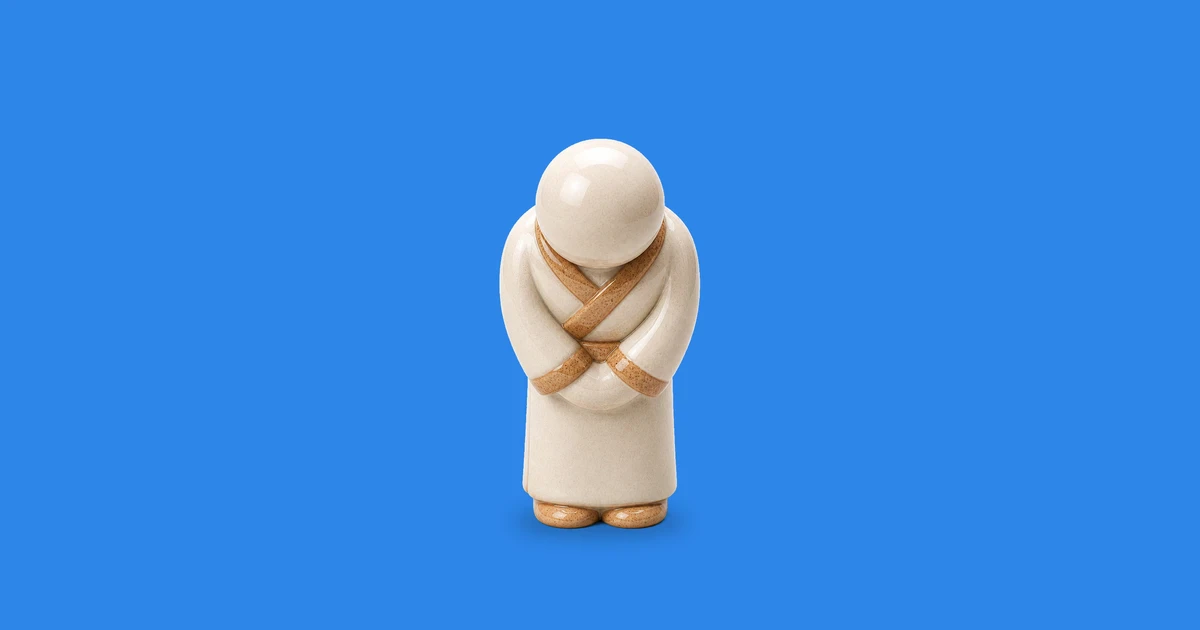
Japanese etiquette is a set of habits that shows respect for other people, shared spaces, and the situation around you. It is less about memorizing rigid rules and more about noticing how your actions affect others.
This complete guide covers the customs most useful to visitors and Japanese learners: public behavior, entering homes, eating at a table, greetings, and language choices. The goal is not perfection. It is considerate participation.
The Principle Behind Japanese Etiquette
Japanese etiquette generally emphasizes social harmony and avoiding 迷惑 (meiwaku, trouble or inconvenience caused to others). Consideration towards the group is highly valued, especially in crowded places where one person’s behavior can affect many others.
This does not mean that every Japanese person follows identical rules. Expectations vary according to age, region, relationship, and setting. A proper greeting among friends may be too casual for a workplace, while formal behavior can feel distant at a relaxed gathering.
A useful cultural note is that consideration is often communicated indirectly. People may lower their voices, move aside, or wait quietly rather than explicitly asking someone else to change. Watching what people nearby do can therefore be as important as knowing a written rule.
The best general tip is simple: pause, observe, and avoid causing unnecessary disruption. A sincere apology and quick correction are usually more helpful than becoming anxious about a small mistake.
Everyday Etiquette in Public, Homes, and Restaurants
The most useful rules concern shared space, cleanliness, and timing. Treat them as reliable starting points rather than universal laws.
- On a train: Keep your phone silent and avoid voice calls inside the carriage. Quiet conversation is usually acceptable, but match the volume around you. Let passengers leave before boarding, avoid blocking doors, and move bags so they do not occupy another seat.
- In public: Queue in the local pattern and leave space for people walking behind you. Eating while walking is generally discouraged on ordinary streets, although food stalls, festivals, and designated eating areas can be different.
- Smoking: Use clearly marked smoking areas and follow local signs. Rules vary by location, and smoking while walking may be restricted. Asking before lighting anything is safer than assuming that an outdoor space permits it.
- When entering a home: Remove your shoes at the entrance before stepping onto the raised interior floor. Keep socks clean, avoid placing bare feet into shared slippers, and follow the host’s lead if special slippers are provided.
- At the table: Wait until everyone is ready before eating when sharing a meal. Chopsticks should not be left standing upright in rice or used to pass food directly from one pair of chopsticks to another because both actions resemble funeral customs.
- With hot noodles: Slurping can be acceptable, particularly with noodle dishes, but it is not compulsory. Eat in a way that is comfortable and tidy. Loud chewing, reaching across others, and placing personal items on the table may be more distracting.
- When wearing a mask: Masks may be used for health, comfort, or personal reasons. Follow rules posted by a venue and avoid making assumptions about why another person is wearing one.
A Core Language Reference for Polite Situations
These phrases help you acknowledge another person when arriving, leaving, eating, or receiving assistance. The appropriate choice depends on the relationship and setting.
Japanese | Hepburn romaji | English meaning |
|---|---|---|
おはようございます | Ohayō gozaimasu | Good morning |
こんにちは | Konnichiwa | Hello / good afternoon |
失礼します | Shitsurei shimasu | Excuse me; said when entering, interrupting, or leaving |
お邪魔します | Ojama shimasu | Excuse me for intruding; said when entering someone’s home |
いただきます | Itadakimasu | Said before eating to express appreciation for the meal |
ごちそうさまでした | Gochisōsama deshita | Thank you for the meal; said after eating |
すみません | Sumimasen | Excuse me / I am sorry |
ありがとうございます | Arigatō gozaimasu | Thank you |
お先にどうぞ | Osaki ni dōzo | Please go ahead of me |
A polite phrase works best when your behavior supports it. Saying thank you while blocking a doorway, for example, does not solve the practical inconvenience. Step aside first, then speak.
Etiquette in Four Real Situations
The safest way to remember etiquette is to connect each custom with a concrete action. These examples model natural sentences that learners can adapt in conversation.
電車の中では、静かに話します。
Densha no naka de wa, shizuka ni hanashimasu.
I speak quietly on the train.
靴を脱いでから、家に上がります。
Kutsu o nuide kara, ie ni agarimasu.
I take off my shoes before stepping up into the home.
料理はみんながそろってから食べ始めます。
Ryōri wa minna ga sorotte kara tabehajimemasu.
We begin eating after everyone is ready.
すみません、ここでたばこを吸ってもいいですか。
Sumimasen, koko de tabako o sutte mo ii desu ka.
Excuse me, may I smoke here?
Practice the action and sentence together. For example, role-play arriving at a home, waiting at the entrance, removing your shoes, and greeting the host. This makes the phrase part of a social sequence instead of an isolated vocabulary item.
Common Mistakes
Most etiquette mistakes come from applying one rule too broadly or choosing language from the wrong social register. Learners often need feedback on both what they say and when they say it.
- Treating bowing as a fixed performance: The depth and length of a bow depend on context. A small nod may suit a casual interaction, while a more deliberate bow is appropriate for formal thanks or an apology.
- Using anime language as everyday Japanese: learners bring dramatic second-person expressions and fictional sentence endings into ordinary conversation. These forms can sound aggressive, intimate, or theatrical outside their original context.
- Using casual reactions in formal situations: A response that sounds friendly among close friends may appear careless in a business conversation. register can be practised by completing a role-play first and then reviewing which reactions should become more restrained.
- Assuming silence always means agreement: A quiet response may indicate thoughtfulness, hesitation, politeness, or uncertainty. Pay attention to the complete interaction instead of interpreting one gesture or pause alone.
- Following visible behavior without checking the setting: One person eating on a train, wearing shoes indoors, or speaking loudly does not establish a general rule. Look for signs, consider the type of venue, and follow the host or staff.
Practising Etiquette Through a Live Lesson
Live role-play is useful because etiquette depends on timing, tone, and relationship—not vocabulary alone. Self-study can explain a custom, but one-on-one practice lets you rehearse a greeting, notice an unsuitable register, and try the interaction again.
A standard Kind Japanese one-on-one lesson lasts 25 minutes over LINE. A focused lesson can include a warm-up, one target speaking situation, correction after the role-play, and a learner-owned review note or question list.
When deciding whether this format fits you, consider:
- Format comparison: Choose self-study for learning basic rules and private practice for testing how language sounds in context.
- Schedule fit: Propose two or three possible lesson windows in your own time zone, naming the zone clearly.
- What to send before booking: Share your current level, one goal, one target situation, and one question. A screenshot of a train sign, restaurant notice, map, or message can also provide a realistic practice prompt.
- Trial preparation: Select one situation, such as visiting a home or joining a formal meal. During the trial, use it for focused speaking and ask for feedback and next-step advice.
You can read How to Prepare for a Japanese Free Trial Lesson and Japanese Trial Lesson: What Happens and What to Expect before deciding what to practise. When you are ready, book a Free Trial Lesson with Kind Japanese.
FAQ
Do foreigners need to bow every time?
No. A small nod is usually enough in many everyday situations, while a deeper bow belongs to more formal greetings, apologies, or thanks. The safest approach is to follow the setting, keep your movement calm, and pair it with a polite greeting rather than worrying about achieving a technically perfect angle.
Is it rude to eat while walking?
Eating while walking is generally avoided in ordinary streets, especially when it could create spills or block others. It is often acceptable near food stalls, festivals, or designated areas, so check what people nearby are doing, finish neatly, and dispose of rubbish properly instead of treating the custom as absolute.
Can I use my phone on a Japanese train?
You can usually use a phone silently on a Japanese train, but voice calls are generally discouraged inside the carriage. Keep sounds muted, avoid blocking doors while looking at the screen, and follow any posted instructions, especially in crowded cars or areas marked for special consideration.
What should I do if I make an etiquette mistake?
Offer a brief apology, correct the behavior, and move on without making the situation larger. Most etiquette mistakes are easier to repair when you stay observant and respectful; the goal is reducing inconvenience to others, not performing every custom perfectly on your first visit or first conversation.

