
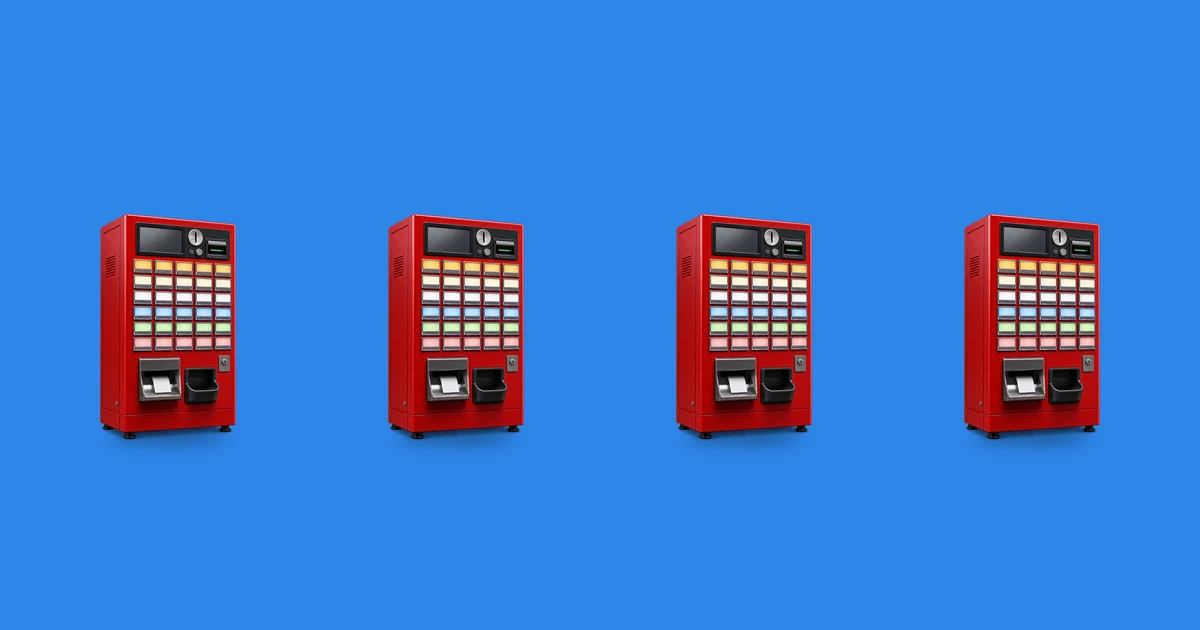
Japanese restaurant ticket machines let you choose and pay for food before sitting down. They may look intimidating, but the basic process is simple once you know what to check: the menu, item number, payment method, and printed ticket.
Many restaurants use this system for ramen, curry, soba, and other quick meals. You may encounter vending machines in Sapporo, Tokyo, and busy station or shopping areas across Japan. Older machines often have physical buttons, while newer models may use a multilingual screen.
How to Use a Japanese Ticket Machine
The usual order meal process is choosing a dish, paying, collecting the ticket, and giving it to staff. The exact sequence varies, so read the screen and nearby information before pressing anything.
- Locate the machine near the entrance.
The ticket-vending machine is commonly located inside or immediately beside the entrance. If people are waiting, step aside first and examine the main menu without blocking the line. - Choose your menu items.
Some items appear directly on illuminated buttons. Others are displayed in photographs or on a menu above the machine, with each item connected to a number on the screen. - Check payment methods.
Look for cash, card, or other payment symbols. Some machines accept only cash, while others support a card or additional displayed methods. Do not assume that every machine works the same way. - Follow the machine’s sequence.
Some machines require payment before selection; others ask you to select the item first. A dimmed or unavailable button often means that the dish is sold out. - Collect everything.
Take your meal ticket, change, and receipt if one is issued. Check every slot before walking away because coins and printed slips may appear in different areas. - Follow the handoff system.
You may need to give the ticket to staff, place it on the counter, or keep a numbered stub. Retain every printed item until your meal arrives.
Buying food before sitting down helps keep service efficient in compact restaurants. Prepare your choice while waiting, but avoid rushing the person using the machine ahead of you.
Labels Worth Reading
You do not need to read every kanji on a vending machine. Recognising a small group of high-value labels can help you choose an item, avoid an unwanted serving size, and notice when something is unavailable.
Japanese | Hepburn romaji | English meaning |
|---|---|---|
食券 | shokken | meal ticket |
券売機 | kenbaiki | ticket-vending machine |
料理 | ryōri | dish or cuisine |
番号 | bangō | number |
現金 | genkin | cash |
紙幣 | shihei | banknotes or bills |
硬貨 | kōka | coins |
カード | kādo | card |
売り切れ | urikire | sold out |
おすすめ | osusume | recommended item |
並盛り | namimori | regular serving |
大盛り | ōmori | large serving |
つり銭 | tsurisen | change |
領収書 | ryōshūsho | receipt |
確認 | kakunin | confirmation or check |
戻る | modoru | go back or return |
Photos are useful, but compare the entire selection rather than relying on appearance alone. Similar buttons may represent different serving sizes, toppings, or sets. Checking the dish name, item number, and price together reduces the risk of ordering the wrong meal.
Useful Questions at the Machine
Four short questions can help when you cannot identify a button, use your cash, or understand where the ticket goes. A complete question gives staff more information than naming an isolated menu word.
おすすめはどれですか。
Osusume wa dore desu ka.
Which item do you recommend?
このボタンを押すと、どの料理が注文できますか。
Kono botan o osu to, dono ryōri ga chūmon dekimasu ka.
Which dish can I order by pressing this button?
この千円札は使えますか。
Kono sen'en satsu wa tsukaemasu ka.
Can I use this 1,000-yen bill?
食券はどこに出せばいいですか。
Shokken wa doko ni daseba ii desu ka.
Where should I hand in the meal ticket?
If staff point to a button, screen, or sign, repeat the item name or number before confirming. For example, you can check that you understood by saying the dish name followed by a short confirmation question. Learners often recognise vocabulary on a page but need practice producing a full sentence while people are waiting behind them.
Common Mistakes and Practice
Learners often make mistakes because they act before checking how that particular machine works. A brief pause is usually faster than cancelling an incorrect selection.
- Assuming every machine accepts a card: Check the payment symbols before ordering. Having cash available can help when card payment is not displayed.
- Confusing the price with the item number: On a crowded screen, both may be prominent. Confirm the dish, photograph, number, and price as one group.
- Selecting a large serving unintentionally: Adjacent buttons may show the same main dish in regular and large sizes. Learn the serving-size labels before choosing.
- Forgetting change or printed slips: Check the coin tray and ticket slot even if you heard only one printing sound. A receipt may be separate from the meal ticket.
- Discarding a numbered stub: A number might be used to call or identify your order. Keep every printed piece until the food has been served.
- Pressing more buttons after a delay: The machine may simply be processing payment. Wait briefly and ask staff if nothing appears.
A focused 25-minute one-on-one lesson over LINE can include a warm-up, a target restaurant role-play, correction, and a learner-owned review note or question list. A teacher can give live feedback on whether your question is understandable and natural.
For independent preparation, How to Practice Speaking Japanese Alone explains ways to repeat practical situations by yourself. If you are comparing private instruction with a classroom course, read Private Japanese Tutor vs Language School: Which Fits?.
Bring one machine screenshot, four target questions, and a note of anything you could not read to your practice. When you want personalised guidance, book a Free Trial Lesson over LINE.
FAQ
Do all Japanese ticket machines accept cards?
No. Payment methods vary by restaurant and machine, so check the screen or nearby information before choosing a dish; some machines accept cash only, while others may accept a card or another displayed method. If payment fails, ask staff before trying repeatedly or blocking the line.
What should I do after receiving the meal ticket?
Take the ticket and any change, then follow the restaurant’s signs or staff guidance. You may need to hand the meal ticket to staff, place it on the counter, or keep a numbered stub, so avoid folding or discarding anything until your order is clearly accepted.
Can I use a ticket-vending machine without reading kanji?
Usually, yes, especially when the machine shows photos, numbers, or an English option, but layouts differ. Match the item number carefully, compare price and dish details, and learn labels for sold-out items, serving size, cash, change, and confirmation before entering a busy line.
What if I press the wrong button?
Look for a return or cancel option before inserting payment, but do not press several buttons repeatedly if the machine seems slow. If you cannot undo the selection, keep the ticket and ask staff for help; showing the printed item or number makes the problem easier to explain.

