Why Bank Account Conversations Feel So Hard
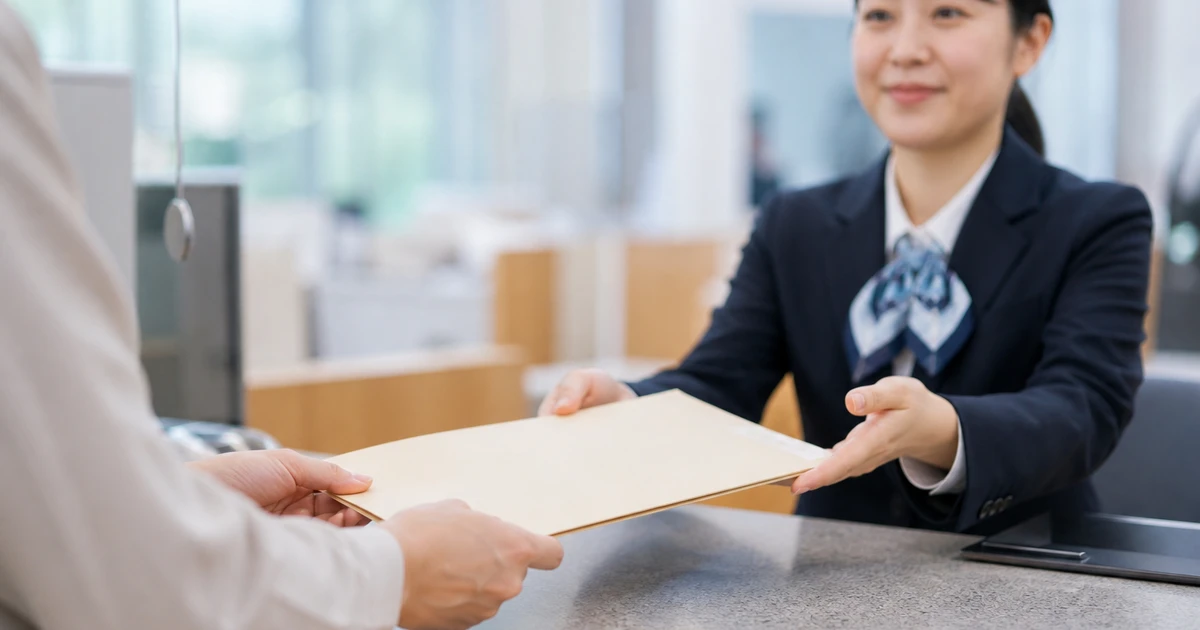
A short trip to the bank can be one of the most stressful Japanese conversations for overseas learners living in or planning to move to Japan. The vocabulary is unfamiliar, the staff often speak quickly using set phrases you've never heard in a textbook, and you're expected to fill out forms and answer questions on the spot. This is exactly the kind of real-life situation where working with a Japanese tutor for bank account conversation practice pays off — you can rehearse the exchange before you ever walk into a branch.
Unlike vocabulary lists you memorize alone, a bank account conversation involves listening comprehension, quick decisions, and polite but efficient speech. Getting comfortable with it takes more than reading a phrase sheet; it takes practice speaking and reacting in real time.
What You Actually Need to Say and Understand
Opening or managing a Japanese bank account usually involves a predictable sequence: stating your purpose, presenting identification, choosing account features, and confirming details. Knowing the core vocabulary in advance makes the real conversation far less intimidating.
Here is a reference set of the terms that come up most often:
Japanese | Romaji | Meaning |
|---|---|---|
口座 | kōza | bank account |
開設する | kaisetsu suru | to open (an account) |
通帳 | tsūchō | bankbook / passbook |
キャッシュカード | kyasshu kādo | cash card |
本人確認書類 | hon'nin kakunin shorui | identity verification document |
在留カード | zairyū kādo | residence card |
暗証番号 | anshō bangō | PIN number |
印鑑・はんこ | inkan / hanko | personal seal/stamp |
Studying this list is useful, but it's only the starting point. The real skill is producing these words naturally under pressure — which is where structured role-play makes the difference.
Practicing the Conversation Through Role-Play
Role-play is the single most effective way to prepare for a bank visit before it actually happens. In a one-on-one lesson, a Japanese tutor can act as the bank clerk while you practice explaining why you're there, answering questions about your residence status, and requesting clarification when you don't catch something.
This kind of rehearsal exposes gaps that flashcards never will:
- Whether you can respond quickly enough when someone asks for your 在留カード (zairyū kādo, residence card)
- Whether you understand spoken numbers fast enough to confirm your 暗証番号 (anshō bangō, PIN number)
- Whether you know a polite way to ask someone to repeat themselves
From a teaching perspective, bank staff often speak in fairly natural, fast Japanese that doesn't match textbook dialogues. In one-on-one lessons, tutors can point out where "book Japanese" and real spoken Japanese diverge, so learners aren't caught off guard by phrasing they've simply never encountered before. This mirrors a broader pattern worth practicing anywhere you need spoken confidence — see this guide on how to Build Speaking Confidence with a Japanese Tutor for more on turning passive knowledge into active speech.
How Mistake Correction Works in a Live Lesson
One-on-one feedback is most useful when it happens after you've had a chance to speak, not mid-sentence. A common and effective teaching approach is to let the learner get through the entire response first, then come back with corrections — this keeps the conversation flowing naturally, closer to how a real bank interaction would feel, while still catching every error afterward.
For bank-related vocabulary specifically, a recurring stumbling block is confusing similar-looking kana, such as ツ and シ, ぬ and め, or ね and れ. These mix-ups matter more than they might seem, since a mistaken character on a form or in a spoken word (like misreading 通帳 or 暗証番号) can cause real confusion at the counter. Reviewing these confusable characters with hiragana and katakana cards is a simple, effective way to build accuracy before you need it in person.
Example sentences you might rehearse and receive corrections on:
口座を開設したいです。 Kōza o kaisetsu shitai desu. I would like to open a bank account.
在留カードをお持ちですか。 Zairyū kādo o omochi desu ka. Do you have your residence card with you?
暗証番号を決めてください。 Anshō bangō o kimete kudasai. Please decide on a PIN number.
通帳とキャッシュカードはどちらがいいですか。 Tsūchō to kyasshu kādo wa dochira ga ii desu ka. Which would you prefer, a passbook or a cash card?
すみません、もう一度言っていただけますか。 Sumimasen, mō ichido itte itadakemasu ka. Excuse me, could you say that one more time?
A Sample 25-Minute Lesson Agenda
Kind Japanese lessons are one-on-one and delivered over LINE, which makes it easy to fit a focused topic like bank account conversation into a single session. A practical 25-minute agenda might look like this:
- Warm-up (a few minutes): Quick review of why you're going to the bank and what outcome you want — opening an account, updating a PIN, or asking about a lost card.
- Target speaking task: A full role-play of the bank counter conversation, from stating your purpose to confirming your details.
- Correction: The tutor reviews specific errors — kana confusion, unnatural word order, or missed vocabulary — after you've finished speaking, rather than interrupting mid-sentence.
- Review note: You write down (or keep as your own note) the corrected sentences and one open question to revisit, such as a phrase you still find unnatural.
Because everything happens over a LINE lesson, you can propose a time window that fits your own schedule and revisit the same scenario again later if the account-opening process is still ahead of you. If you're also thinking about how to structure practice beyond a single topic, this article on How to Structure Weekly Japanese Lessons with a Tutor walks through building a recurring routine.
Common Mistakes Learners Make
From a teacher's perspective, a few patterns show up again and again when learners prepare for bank or office-style conversations.
Overusing casual reaction words. Learners who are comfortable with everyday conversation sometimes carry that same casual tone — reflexive reactions like "really?" or "wow, that's great" — into a formal setting where a simple acknowledgment word is more appropriate. A tutor can help you notice this shift and replace it with steadier, more neutral responses.
Mixing up similar-sounding or similar-looking kana. Characters like シ and ツ, or ぬ and め, are easy to misread under pressure, especially when you're nervous and trying to fill out a form quickly. Slowing down for a moment of kana review before your bank visit prevents avoidable mistakes.
Memorizing textbook phrases that don't match real speech. Learning alone from a textbook can mean picking up phrasing that's technically correct but rarely used by native staff in daily interactions, or missing pronunciation and accent issues entirely. A live tutor can flag this gap immediately and swap in the version people actually say.
FAQ
Do I need to know a lot of Japanese before practicing a bank account conversation?
No. A tutor can adjust the difficulty of the role-play to your current level, starting with simple phrases and adding detail as you improve. The goal of one-on-one practice is to build confidence step by step, not to memorize everything before your first session.
Can I practice a specific bank scenario I'm nervous about?
Yes. You can bring the exact situation you're worried about — opening an account, replacing a card, or asking about a PIN reset — and rehearse it directly with a teacher in a focused LINE lesson, with feedback tailored to that scenario.
How is this different from studying bank vocabulary on my own?
Studying alone builds recognition, but a live conversation requires quick, natural responses. Role-play with one-on-one feedback and mistake correction helps you notice errors you can't catch by yourself, especially with pronunciation, kana confusion, and phrasing that sounds unnatural in real speech.
What if I don't have a bank appointment scheduled yet?
That's fine — practicing before you need the conversation is exactly the point. Rehearsing now means you'll walk into the actual appointment having already said the key phrases out loud and received corrections on them.
If a bank visit or any other real-life Japanese conversation is coming up, it helps to rehearse it with a live teacher first. Book a Free Trial lesson with Kind Japanese and practice the exact scenario you're preparing for, over LINE, with feedback tailored to you.