
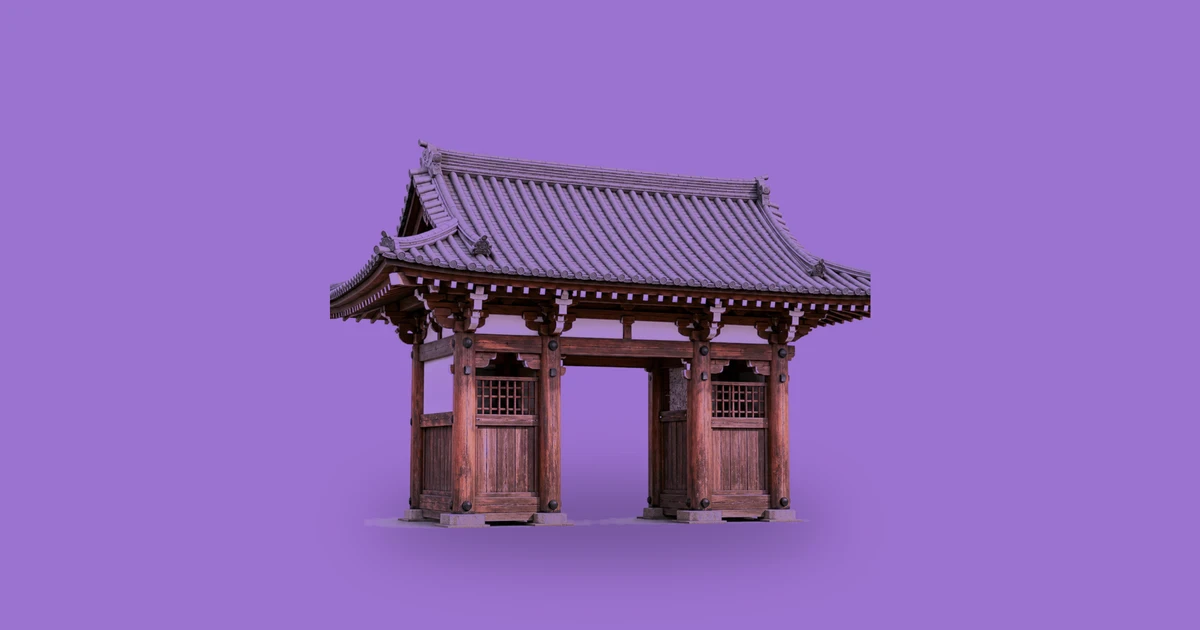
A Japan virtual tour 360 experience lets you explore remarkable places from almost anywhere in the world. Instead of viewing only photographs, you can rotate the scene, zoom in, and move between viewpoints.
A virtual tour is useful for travel planning, cultural study, and Japanese practice. You can visit a temple, examine a shrine gate, explore museums, or compare traditional houses with modern architecture before deciding where to go in person.
What You Can Explore in a Japan Virtual Tour 360
A 360 tour creates an interactive view of a location. Depending on the provider, you may be able to drag the image, zoom in, follow a map, open exhibit labels, or switch between English and Japanese information.
Use a laptop or tablet when you want to read small museum labels. A phone is convenient for quick exploration, while a VR headset may offer a stronger sense of space when the site supports it. Check whether audio, captions, keyboard navigation, or alternative image descriptions are available if accessibility matters.
Japan offers virtual experiences including:
- Temples and shrines in Nara, Kyoto, and other areas
- National museums and smaller museums focused on a prefecture
- UNESCO World Heritage sites
- Traditional houses and historic architecture
- Natural landscapes, forests, coastlines, and a cave
- Exhibitions about history, art, science, and local life
A virtual visit cannot reproduce every sound, smell, or physical sensation. It can still help you understand a site’s layout and decide what you want to notice when you travel to Japan.
Verified 360 Experiences to Open Now
These direct links let you begin exploring without searching for a tour first. Open the page, select the virtual-tour or 360-degree option, then drag the image or use the on-screen arrows to move around.
- Todaiji Temple 360 tour — The JNTO page links to a virtual tour of Todaiji in Nara Prefecture. Start at the Great South Gate and follow the route toward the Daibutsuden. Notice the scale of the wooden architecture and the relationship between the gate, path, and hall.
- Fushimi Inari Taisha Shrine VR — This official shrine experience includes English navigation, cultural explanations, a two-storied gate, a worship hall, and a 360° virtual-tour section. Compare the vermilion color, roof shape, and entrance sequence. Fushimi Inari is a shrine, not a Buddhist temple.
- National Museum of Nature and Science virtual tour — The JNTO guide links to the museum’s Global Pavilion and Japan Pavilion walkthroughs. Move between floors and choose one exhibit to describe by material, shape, location, and apparent function.
- Shirakawa-go 360 tour — Explore the UNESCO World Heritage village through views of traditional gassho-zukuri houses, fields, and seasonal scenery. Look closely at the steep roofs and explain how the buildings differ from modern houses.
- Makido Cave virtual tour — This experience takes you through a limestone cave with underground formations, bridges, and illuminated sections. Begin at the entrance and describe how the space changes as the route goes deeper.
The JNTO page also includes other museums and heritage locations. If a link opens a guide page rather than the tour itself, scroll to the named destination and select its “Virtual tour” link. Some experiences work best in a new browser tab, and older panoramic interfaces may require clicking arrows rather than scrolling freely.
Japanese Phrases for Describing a Virtual Tour
These expressions help you explain what you see, ask about a site, and connect an observation with a future visit.
Japanese | Romaji | English meaning |
|---|---|---|
見学する | kengaku suru | to tour or observe for learning |
歴史的な建物 | rekishiteki na tatemono | historic building |
文化遺産 | bunka isan | cultural heritage |
建築 | kenchiku | architecture |
展示 | tenji | exhibit or display |
実際に訪れる | jissai ni otozureru | to visit in person |
〜について説明する | ~ ni tsuite setsumei suru | to explain about ~ |
どんな特徴がありますか | donna tokuchō ga arimasu ka | What characteristics does it have? |
木造 | mokuzō | wooden construction |
神社 | jinja | Shinto shrine |
寺 | tera | Buddhist temple |
洞窟 | dōkutsu | cave |
Use 見学する (kengaku suru, to tour or observe for learning) when your purpose is study or examination. Use 訪れる (otozureru, to visit) for a personal or travel visit.
Try these sentences while exploring:
奈良の東大寺をオンラインで見学しました。
Nara no Tōdaiji o onrain de kengaku shimashita.
I toured Todaiji in Nara online.
この建物は木造で、とても大きく見えます。
Kono tatemono wa mokuzō de, totemo ōkiku miemasu.
This building is wooden and looks very large.
鳥居をくぐってから、神社の本殿へ向かいます。
Torii o kugutte kara, jinja no honden e mukaimasu.
After passing through the shrine gate, you head toward the main sanctuary.
実際に日本を訪れたら、この博物館にも行きたいです。
Jissai ni Nihon o otozuretara, kono hakubutsukan ni mo ikitai desu.
If I visit Japan in person, I would like to go to this museum too.
Turn a Virtual Tour into Japanese Practice
A virtual tour becomes more useful when you turn it into a short speaking task. Choose one viewpoint and record four notes:
- What is the place?
- What can you see in the foreground and background?
- What architectural, natural, or historical detail stands out?
- Why would you like to visit it in person?
For Todaiji, a simple 60-second description might move from location to structure, then to personal interest: “Todaiji is in Nara. The main hall is a large wooden building, and the approach begins at a gate. I want to visit because I would like to understand the scale of the architecture in person.”
Learners often need feedback on connecting observations naturally. A teacher can help with particles, adjective order, pronunciation, and the difference between saying that a building is large and that it looks large from a particular viewpoint.
A standard Kind Japanese one-on-one lesson is 25 minutes and takes place online over LINE. A focused lesson can include a warm-up description, a target speaking task, corrections, and a learner-owned review note or question list. A teacher can also work with the vocabulary you collect from a museum label or heritage site.
The cultural distinction between temples and shrines is especially useful. Temples are associated with Buddhism, while shrines are associated with Shinto; their buildings, entrances, and terminology may differ. Describing a sequence such as gate, path, worship area, and main building helps you explain how visitors experience a place.
For learners preparing for work or relocation, the Online Japanese Lessons for Engineers Moving to Japan guide offers another context for practical Japanese. If your plans include student housing, Renting an Apartment in Japan as a Student may also be useful.
Common Mistakes
Learners often confuse recognizing a famous place with being able to discuss it. Naming Todaiji is only the beginning; a stronger answer explains its location, appearance, structure, or personal importance.
Vague adjectives can also limit your speaking. Instead of repeating “beautiful,” describe the roof, color, material, scale, light, pathway, or surrounding landscape.
Another common mistake is treating every religious building as the same. Check whether the site is a temple or shrine before describing its function, and use the site’s own information when making a detailed historical claim.
Finally, learners may describe too many viewpoints at once. Choose one scene, make two accurate observations, and add one reason for wanting to visit. This produces clearer Japanese than listing every feature you noticed.
FAQ
Can I visit Japan through a 360 virtual tour?
A 360 virtual tour cannot replace physically visiting Japan, but it can show a site’s layout and visual details from multiple viewpoints. It is especially useful for planning, cultural study, and deciding which temples, museums, or natural locations you would like to experience in person during a future trip.
Is a virtual tour useful for learning Japanese?
Yes, because it gives you a concrete subject to describe, compare, and discuss. You can practise vocabulary for architecture, history, geography, and travel while a teacher gives feedback on grammar, pronunciation, and how naturally your ideas connect in conversation. Try describing one exhibit or architectural feature in sixty seconds.
What should I describe during a Japan virtual tour?
Choose one building, object, or landscape and describe its location, appearance, and importance. Then add your reaction or a future plan, such as wanting to visit it in person. This simple structure helps you move from isolated vocabulary toward a complete, understandable answer with useful detail.
Can I practise talking about a virtual tour with Kind Japanese?
Yes, Kind Japanese offers online one-on-one Japanese lessons over LINE, and a free trial is available. Bring a virtual location, one speaking goal, and one question you want to ask so the lesson can focus on practical conversation and useful next-step advice from a teacher.
Book a Free Trial Lesson over LINE to turn your next virtual tour into active Japanese practice.

