
Chopstick etiquette in Japan is mainly about showing consideration at the dining table. Everyday meals are often relaxed, but several actions are strongly associated with funerals and death, so visitors should know which habits to avoid.
The simplest rule is to use chopsticks for eating, not for pointing, playing, gesturing, tapping a glass, or moving dishes. Japanese cuisine includes many textures, ingredients, and shared dishes, so calm handling helps everyone enjoy the meal.
The Most Important Chopstick Rules
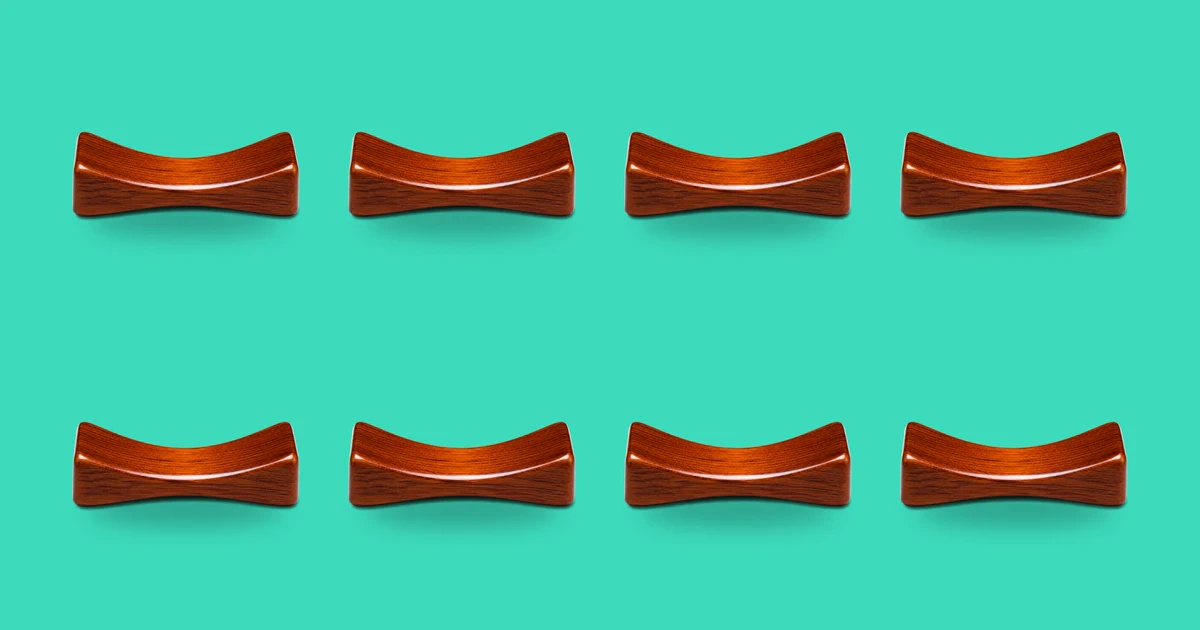
Keep your chopsticks together and use them gently. When you are not eating, place them on a chopstick rest, or hashioki (箸置き, hashioki, chopstick rest), when one is provided.
Japanese | Hepburn romaji | English meaning |
|---|---|---|
箸置き | hashioki | chopstick rest |
刺し箸 | sashibashi | stabbing food with chopsticks |
立て箸 | tatebashi | standing chopsticks upright in rice |
突き立て箸 | tsukitate-bashi | sticking chopsticks upright in rice; an alternative term for 立て箸 |
箸渡し | hashi-watashi | passing food directly between chopsticks |
迷い箸 | mayoibashi | hovering while deciding what to take |
ねぶり箸 | neburi-bashi | licking or sucking the chopsticks |
寄せ箸 | yosebashi | pulling a dish toward you with chopsticks |
渡し箸 | watashibashi | laying chopsticks across a bowl |
Avoid stabbing food with chopsticks, even when it is difficult to pick up. Do not use chopsticks to pull a bowl or plate closer. Move the dish with your hand, using both hands when appropriate, especially for large plates or shared serving dishes.
Do not point, wave chopsticks while speaking, or use them to tap glasses or other tableware. If you need to lift a glass, place your chopsticks on the hashioki first rather than resting them across the glass.
Never leave chopsticks standing upright in rice. This practice, called tsukitate-bashi or tatebashi, is associated with funeral customs, when rice may be offered to a deceased person. It is a serious taboo during ordinary dining.
Similarly, avoid hashi-watashi, passing food directly from one pair of chopsticks to another. This resembles a funeral practice involving the transfer of cremated bones. To share food, place it on another person’s plate or use serving utensils.
Etiquette for Soup and Shared Dishes
Soup requires a slightly different technique. With miso soup, it is normal to drink the liquid directly from the bowl while using chopsticks to eat solid ingredients. Hold the bowl securely and avoid using chopsticks to stir it unnecessarily.
When food is served in a shared dish, take a reasonable portion and place it on your own plate before eating. Avoid searching through the dish for favorite ingredients. Choose food near you and use serving chopsticks when they are provided.
At a casual meal, small mistakes are usually forgiven. Focus first on the most important rules:
- Do not leave chopsticks standing in food.
- Do not pass food from chopsticks to chopsticks.
- Do not use chopsticks to point, gesture, or pull dishes.
- Use a chopstick rest between bites when one is available.
- Keep shared-dish movements neat and unhurried.
A chopstick rest gives you a clear place to put your chopsticks. If there is no rest, follow the arrangement of the meal; placing chopsticks neatly on a personal tray may be acceptable. Avoid balancing them across a bowl when another suitable place is available.
Chopsticks also have historical and ritual associations with food offerings to deities in some Japanese traditions. This cultural background is different from funeral customs, even though both help explain why upright chopsticks in rice can feel especially inappropriate at an ordinary meal.
Four Examples in Context
箸を使わないときは、箸置きに置いてください。
Hashi o tsukawanai toki wa, hashioki ni oite kudasai.
When you are not using your chopsticks, please place them on the chopstick rest.
ご飯に箸を立ててはいけません。
Gohan ni hashi o tatete wa ikemasen.
You must not stand chopsticks upright in rice.
料理を箸から箸へ渡さないでください。
Ryōri o hashi kara hashi e watasanai de kudasai.
Please do not pass food directly from chopsticks to chopsticks.
味噌汁は、器を持って飲んでも大丈夫です。
Misoshiru wa, utsuwa o motte nonde mo daijōbu desu.
It is fine to hold the bowl and drink miso soup.
These sentences show the difference between a strict prohibition and a polite explanation. In a restaurant role-play, you can also practise asking whether a behavior is merely casual or considered a taboo.
Common Mistakes Visitors Make
Learners often confuse “not ideal” with “deeply taboo.” Resting chopsticks across a bowl may look careless, while standing them in rice has a much stronger funeral association. Both are worth avoiding, but the cultural meaning is different.
Another common mistake is using personal chopsticks as serving tools. In some casual settings, people may share food informally, but serving utensils are preferable when provided. If you are unsure, wait briefly and observe how others handle the dish.
Some learners also hold chopsticks too tightly or use them to gesture. This can make eating look childish or distract people at the table. Relax your grip, keep gestures small, and let your words carry the conversation.
Register matters when discussing etiquette, too. A casual warning may suit a friend, while a softer expression is better at a formal dinner. A teacher can let learners complete a restaurant role-play first, then give indirect feedback on pronunciation, word choice, and whether the warning sounds natural in context.
For broader one-on-one practice connected with life in Japan, see Online Japanese Lessons for Engineers Moving to Japan. You can practise explaining cultural choices, asking polite questions, and responding when someone gently corrects you.
A standard Kind Japanese lesson is a 25-minute one-on-one lesson over LINE. A focused practice session can include a warm-up, one restaurant speaking task, corrections, and a learner-owned review note or question list. Before booking, prepare one situation, such as eating at a friend’s home, attending a business dinner, or sharing dishes at an izakaya.
You can also read How to Prepare for a Japanese Free Trial Lesson and bring one etiquette question to discuss.
FAQ
Is it rude to use chopsticks with your left hand?
Using chopsticks with your left hand is not generally a chopstick-etiquette violation in Japan. The important points are how you handle them, whether you avoid funeral-related taboos, and whether you respect people sharing the meal. Do not switch hands simply because you think left-handed use is automatically impolite.
Can I drink soup directly from the bowl?
Yes, drinking soup directly from a bowl is normal in Japan, especially with miso soup. Hold the bowl securely and use chopsticks for solid ingredients. Avoid making unusually loud movements in a quiet formal setting, but ordinary soup drinking is not usually considered rude when done calmly and neatly.
What should I do if I make a chopstick mistake?
Simply correct the action and continue eating without making a dramatic apology. Most people understand that visitors may not know every custom, especially at a casual meal. If you are unsure, place your chopsticks on the rest, watch the table, and follow the surrounding dining style.
Do I need to learn every chopstick taboo?
You do not need to memorize every Japanese chopstick term before enjoying Japanese cuisine. Learn the major taboos first, especially upright chopsticks in rice and passing food between chopsticks, then build confidence through real meals and focused speaking practice. A teacher can help you prepare questions before dining in Japan.
Book a Free Trial Lesson with Kind Japanese for focused one-on-one practice over LINE.

