
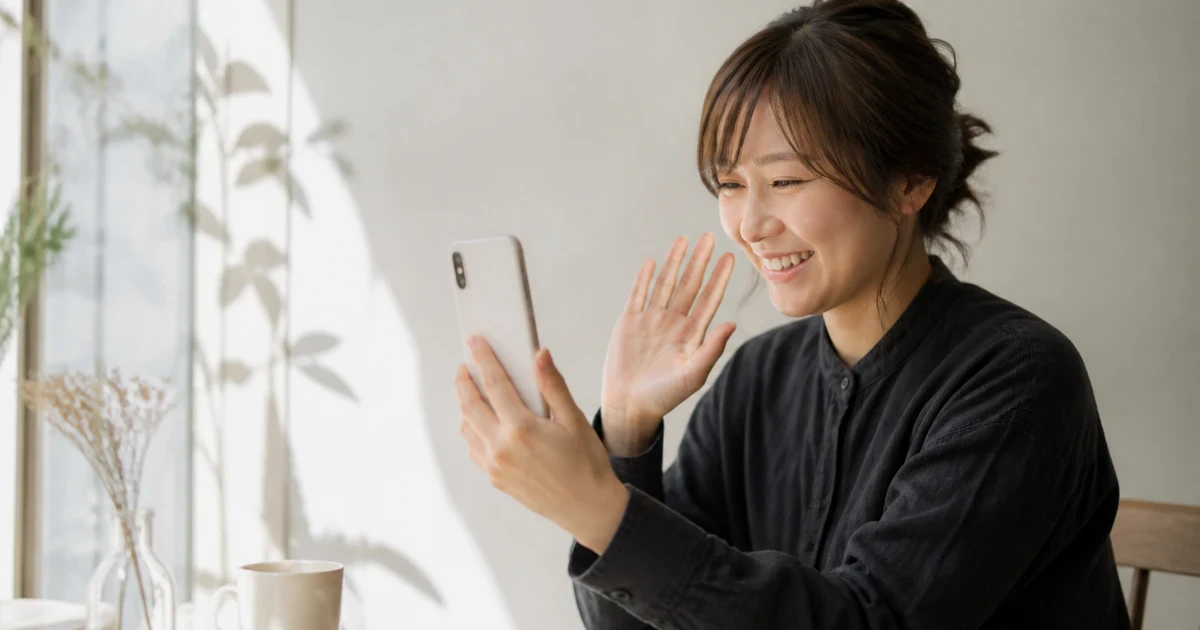
Making Japanese friends online can be an enjoyable way to learn the language, discover new cultures, and understand everyday life in Japan. You do not need advanced Japanese or a perfect profile. You need a respectful approach, realistic expectations, and a willingness to communicate regularly.
Online friendships can begin through language-exchange communities, hobby groups, gaming spaces, social media, or services such as Langmate. The best connections usually grow from shared interests rather than from studying vocabulary alone.
Where to Find Japanese Friends Online
Language-exchange platforms are a practical starting point because people join specifically to meet learners of different languages. Langmate is one example, but you can also look for Japanese-learning communities, international student groups, cultural associations, and hobby-based spaces.
Choose a community that matches your interests. Conversation becomes easier when you already have something to discuss, such as:
- Japanese music, films, anime, or books
- Cooking and food
- Travel and local neighborhoods
- Games, sports, photography, or technology
- Work, university life, or language learning
A profile with one or two specific interests is more inviting than a general message saying only that you want Japanese friends. Mention what you are learning and ask about the other person’s interests.
Be careful with privacy. Avoid sharing your address, financial information, workplace details, or travel plans too early. If you eventually meet someone in person, choose a public place and tell a trusted person where you will be.
How to Start a Natural Conversation
A good first message is short, personal, and easy to answer. Instead of sending a vague “Hello,” refer to something in the person’s profile and ask one clear question.
For example, you might ask what kind of music they enjoy, which city they recommend visiting, or what foods they cook at home. Questions about daily life often create more natural conversation than questions requiring textbook explanations.
The following expressions are useful for beginning a friendly exchange:
Japanese | Romaji | English meaning |
|---|---|---|
はじめまして | Hajimemashite | Nice to meet you |
よろしくお願いします | Yoroshiku onegai shimasu | I look forward to getting along with you |
趣味は何ですか | Shumi wa nan desu ka | What are your hobbies? |
どこに住んでいますか | Doko ni sunde imasu ka | Where do you live? |
日本語を勉強しています | Nihongo o benkyō shite imasu | I am studying Japanese |
よかったら話しませんか | Yokattara hanashimasen ka | Would you like to talk, if you are interested? |
Keep the first exchange balanced. Ask a question, answer one yourself, and give the other person room to respond. Sending many questions in a row can feel like an interview.
Example Sentences
はじめまして。日本語を勉強しています。 Hajimemashite. Nihongo o benkyō shite imasu. Nice to meet you. I am studying Japanese.
音楽が好きです。どんな音楽を聞きますか。 Ongaku ga suki desu. Donna ongaku o kikimasu ka. I like music. What kind of music do you listen to?
日本の料理について話したいです。 Nihon no ryōri ni tsuite hanashitai desu. I would like to talk about Japanese food.
よかったら、今週オンラインで話しませんか。 Yokattara, konshū onrain de hanashimasen ka. If you are interested, would you like to talk online this week?
How to Build a Real Friendship
A friendship becomes stronger through consistency, curiosity, and mutual effort. You do not need to message every day, but replying thoughtfully and remembering previous conversations helps the relationship feel genuine.
Use Japanese gradually. If you are a beginner, combine simple Japanese with a translation tool for preparation, but do not let the tool write every message. Your goal is to communicate directly and improve your skills over time.
A useful rhythm is:
- Begin with a shared topic rather than a language test.
- Exchange a few messages in Japanese and the other person’s language.
- Ask permission before correcting mistakes.
- Return to topics you discussed previously.
- Move to a voice or video conversation only when both people are comfortable.
Cultural differences can affect messaging habits. Some people reply quickly, while others respond after several days. A delayed message does not automatically mean the friendship has ended. Respecting different communication styles is part of learning about cultures.
You may also discover that online friendships are useful before visiting Japan. A local friend can suggest places, explain customs, or help you understand how a situation might feel to someone living there. Their advice is personal rather than universal, so treat it as one perspective.
Common Mistakes When Making Friends Online
Learners often confuse making friends with collecting contacts. Adding many people does not necessarily create meaningful friendships. Focus on a small number of conversations where both people contribute.
Another common mistake is correcting every sentence. Constant correction can make a conversation feel like a classroom and may discourage the other person from writing. Ask whether they want corrections, and prioritize errors that affect meaning or politeness.
Some learners also rely too heavily on anime Japanese. Expressions such as 君 (kimi, you) or あんた (anta, you) can sound too familiar, confrontational, or character-like depending on the situation. Teachers also encounter learners using fictional expressions as if they were ordinary daily Japanese; understanding whether a phrase belongs to a character, genre, or normal conversation matters.
Katakana can create another obstacle. Learners often confuse ツ (tsu, katakana “tsu”) and シ (shi, katakana “shi”), or ソ (so, katakana “so”) and ン (n, katakana “n”). A teacher can explain the direction, length, and position of the strokes, then help you review the shapes with focused practice.
If you want to practise before messaging a new friend, prepare one realistic situation: introducing your hobby, asking about a local place, or explaining your weekend. In a standard Kind Japanese one-on-one lesson, a live teacher can use a 25-minute online lesson over LINE to help you turn that situation into natural spoken Japanese.
For additional study ideas, see Online Japanese Lessons for Engineers Moving to Japan or Online Japanese Lessons for Adults in the US. These resources can help you connect online communication with practical learning goals.
Using Online Lessons to Prepare for Conversations
Online friends can give you motivation, but conversation practice with a teacher offers a different kind of support. A private lesson lets you rehearse a specific situation, notice patterns in your speech, and ask about language that feels uncertain.
A useful 25-minute LINE lesson can include:
- A short warm-up about your current conversation topic
- One target speaking task, such as introducing yourself or asking follow-up questions
- Correction of pronunciation, grammar, or register
- A learner-owned review note listing one useful phrase and one question to revisit
Before a lesson, send or prepare the situation you want to practise. You might bring a draft introduction, a confusing message, or a question about whether an expression sounds casual, polite, or unnatural. This keeps the lesson focused and makes the practice easier to apply later.
If time zones matter, describe possible windows in your own local time and include your city or time zone when contacting a service. A date can change between countries, and daylight-saving changes may affect the difference. Clear local details reduce misunderstandings without assuming that a particular teacher is available at a particular time.
The aim is not to sound perfect before making friends. It is to communicate clearly, stay curious, and learn from real interaction. A few useful phrases, repeated practice, and respectful questions can take you a long way.
FAQ
Is Langmate good for making Japanese friends online?
Langmate can be a useful place to meet people interested in international communication, but the quality of each connection depends on shared interests, effort, and respectful boundaries. Treat it as one tool among several, and move slowly from written messages to voice conversations or an in-person meeting.
Can I make Japanese friends if my Japanese is beginner level?
Yes, beginner Japanese is enough to start with introductions, hobbies, food, travel, and simple daily questions. Use short sentences, be honest about your level, and allow both people to use the language they know best while the friendship develops naturally.
Should I use a translation tool when messaging Japanese people?
A translation tool can help you check a message before sending it, especially when grammar or politeness is unfamiliar. Do not depend on it for every sentence, because direct practice reveals your real communication needs and helps you notice expressions that sound unnatural in context.
Can online Japanese lessons help with friendships?
Yes, a focused one-on-one lesson can help you practise a real conversation, improve pronunciation, and choose an appropriate level of politeness. Bring one situation or question, such as introducing a hobby or replying to a message, so the practice connects directly with the friendships you want to build.
If you would like focused practice for meeting Japanese friends online, book a Free Trial Lesson over LINE.

