
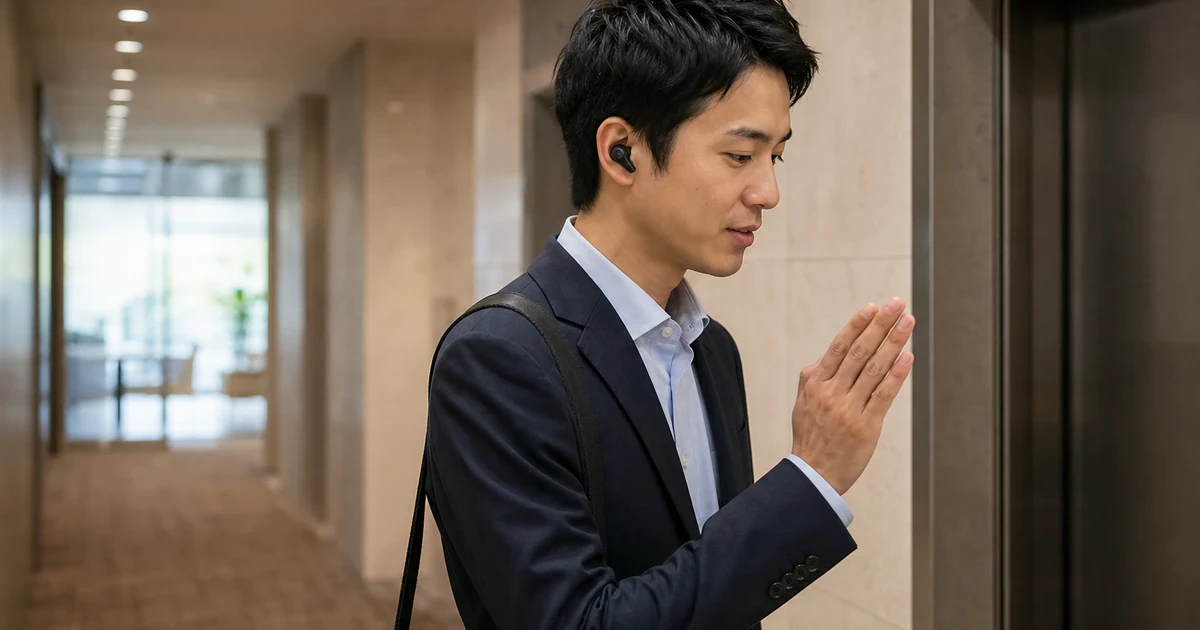
Keigo practice works best when it is tied to real speaking, not just memorised rules. If you want keigo practice with an online Japanese tutor, the most efficient setup is a one-on-one Japanese tutor who can hear your sentence, notice the register problem, and help you turn it into polite Japanese that fits the situation.
That is especially useful in online Japanese lessons, where you can practise the exact phrase you need for work, study, or daily life. In a LINE lesson, you get speaking practice first, then teacher feedback that helps you revise one sentence at a time instead of guessing alone.
You may already be able to introduce yourself or handle simple conversations but still hesitate when speaking respectfully to a teacher, coworker, landlord, or new acquaintance. Live feedback on tone, word choice, and timing helps turn textbook Japanese into language that feels natural and safe to use.
What Keigo Practice Needs Most
Keigo practice improves fastest when you learn to choose the right level of politeness, not just the right grammar pattern. A tutor can help you separate three ideas that learners often blend together:
- 丁寧語 (teineigo, polite style): the basic polite form used to make sentences softer and more courteous.
- 尊敬語 (sonkeigo, respectful language): used when raising the other person's action or position.
- 謙譲語 (kenjōgo, humble language): used when lowering your own action to sound respectful.
From a teacher's perspective, learners often know the textbook category but still need help deciding which form fits the relationship in the room. The most useful question is not "Is this keigo?" but "Who is acting, and who should sound elevated?"
A small cultural note matters here: in Japanese, politeness is not only about sounding nice. It also shows distance, role, and timing. The same request can feel friendly, careful, or too direct depending on the wording. A brief apology or thank-you can also make a request smoother because polite Japanese includes how you enter the conversation, not only the honorific form you choose.
How a Tutor Turns Polite Japanese Into Speaking Practice
A one-on-one Japanese tutor is useful because keigo is easiest to fix when the correction happens on your own sentence. You speak first, and then the tutor adjusts the wording to match the person, place, and purpose. Finishing your thought before the correction also helps prevent hesitation and lets the tutor respond to your complete meaning.
That makes the lesson practical instead of abstract. If your workday is packed, the approach in Japanese Tutor for Busy Professionals fits this kind of focused practice well. If your keigo needs are work-related, Japanese Manager Reporting Phrases for Work can also help you think about the right register before your lesson. For a more direct workplace focus, see Business Japanese Keigo Practice for Work.
A good tutor will usually ask direct diagnostic questions such as:
- Who are you speaking to?
- Is the other person a client, manager, teacher, or peer?
- Is this a request, a report, or an apology?
- Do you need softer polite Japanese, or do you need respectful or humble language?
- Does your sentence sound clear but too direct?
Those questions matter because keigo practice is not only about memorising endings. It is also about learning how to adjust tone in real time.
Core Phrases to Rework
The best way to build keigo is to take one sentence you really use and improve it, rather than collecting dozens of disconnected examples. The table below shows a few high-value phrases that often come up in online Japanese lessons.
Japanese | Romaji | English Meaning |
|---|---|---|
お名前をご記入ください | Onamae o go-kinyū kudasai | Please write your name |
少々お待ちいただけますか | Shōshō omachi itadakemasu ka | Could you wait a moment? |
もう一度お伺いしてもよろしいでしょうか | Mō ichido o-ukagai shite mo yoroshii deshō ka | May I ask once more? |
本日の資料をお送りいたします | Honjitsu no shiryō o o-okuri itashimasu | I will send today’s materials |
ご確認をお願いいたします | Go-kakunin o onegai itashimasu | Please confirm |
ありがとうございます | Arigatō gozaimasu | Thank you very much |
すみません | Sumimasen | Excuse me / sorry |
お願いします | Onegaishimasu | Please / I’d like to ask for this |
失礼します | Shitsurei shimasu | Excuse me for interrupting / Goodbye in formal settings |
少々お待ちください | Shōshō omachi kudasai | Please wait a moment |
かしこまりました | Kashikomarimashita | Certainly / Understood very politely |
Here are five example sentences in context:
本日の資料をお送りいたします。
Honjitsu no shiryō o o-okuri itashimasu.
I will send today’s materials.
少々お待ちいただけますか。
Shōshō omachi itadakemasu ka.
Could you wait a moment?
もう一度お伺いしてもよろしいでしょうか。
Mō ichido o-ukagai shite mo yoroshii deshō ka.
May I ask once more?
ご確認をお願いいたします。
Go-kakunin o onegai itashimasu.
Please confirm.
失礼ですが、今お時間よろしいですか。
Shitsurei desu ga, ima ojikan yoroshii desu ka.
Excuse me, do you have a moment now?
The useful part is not the sentence itself. It is the transformation. A tutor can take a too-direct line such as "Send me the file" and guide you toward a softer form that still sounds clear and efficient.
A Simple 25-Minute LINE Lesson
A focused 25-minute lesson is enough for one real keigo problem if you prepare well. Kind Japanese offers one-on-one online Japanese lessons over LINE, so the lesson can stay tightly centered on your own speaking goal.
A practical study plan for keigo practice can look like this:
- Preparation: bring one sentence before the lesson.
- Warm-up: say one real situation in simple Japanese.
- Target speaking task: produce your original sentence aloud without stopping.
- Teacher feedback: ask for one correction and one alternative while adjusting the register, verb choice, level of politeness, and pronounceability.
- Reuse: repeat the corrected version twice.
- Learner review note: keep the final form, one question to reuse later, and any follow-up LINE question about which phrasing sounds softer or what to say next time.
For example, if you need to ask a manager or client for a document, you might begin with a direct draft and then refine it.
Before:
資料を送ってください。
Shiryō o okutte kudasai.
Please send the materials.
After:
資料をお送りいただけますか。
Shiryō o o-okuri itadakemasu ka.
Could you send the materials?
The first sentence is understandable but can sound too blunt in that relationship. Because the manager or client performs the action, the revised request respectfully presents their sending while いただけますか frames the speaker as receiving the favour. It becomes softer with polite Japanese and a more suitable request ending.
That kind of correction is useful because it shows you exactly where the language changes. The tutor is not only checking correctness. The tutor is helping you hear the difference between natural enough and appropriately respectful.
Good lesson targets also include asking a classmate politely for help, replying to a teacher with respect, making a gentle request in a message, or confirming a time or place without sounding abrupt. This works well for people who want one lesson to solve one problem instead of trying to cover every possible keigo pattern at once.
Common Mistakes
From a teacher's perspective, learners often make the same few keigo mistakes even when their grammar is otherwise strong.
- They use 丁寧語 (teineigo, polite style) but keep the request too direct.
- They use 尊敬語 (sonkeigo, respectful language) for their own actions or 謙譲語 (kenjōgo, humble language) for the other person's actions, or switch perspectives inconsistently. Both forms can correctly appear together when they apply to different people or actions.
- They choose a phrase that is technically correct but too formal for the setting.
- They memorise polite endings but do not practise them in speech.
- They translate English politeness too literally and miss the Japanese relationship signal.
- They mix polite and casual forms in the same answer.
- They know a phrase but have not practised its pronunciation and rhythm enough to say it smoothly.
The most common problem is not that the sentence is wrong. It is that the sentence sounds slightly off for the relationship. A tutor can help you fix that faster than self-study because live correction shows which part needs to change: the verb, the ending, or the request style.
Keigo also becomes easier when you connect it to a specific use case. If you need workplace speaking, interview practice, or customer-facing language, it is better to build one small set of sentences that you can actually reuse than to chase every formal pattern at once.
If you want a real person to help you adjust one sentence, get speaking practice, and see how polite Japanese changes in context, start with a Free Trial.
FAQ
Can an online Japanese tutor really help with keigo?
Yes. Keigo is one of the clearest places where live correction helps, because the problem is often tone and register rather than basic grammar. A tutor can listen to your sentence, explain why it sounds too direct or too formal, and help you produce a better version on the spot.
What should I prepare before a LINE lesson, and how is a 25-minute lesson useful for keigo practice?
Bring one real situation, one sentence you want to say, and one question about the level of politeness. A 25-minute lesson works well when you have that one clear goal: you can warm up, say the sentence, get teacher feedback, and repeat the corrected version before the lesson ends.
Do I need advanced Japanese before booking a tutor?
No. You only need enough Japanese to describe one small situation and repeat corrections. A tutor can help you practise polite basics, then gradually add more natural expressions. If your level is still low, begin with short requests and greetings rather than full speeches, using Basic Japanese Conversation Practice for Beginners as a starting point.
Is keigo only for business Japanese?
No. Keigo is useful in business settings, but also in school, healthcare, service encounters, and any situation where you need to show respect. Even if you are not working in Japan, polite Japanese helps you sound careful and socially aware in everyday conversation with strangers, teachers, neighbours, staff, and new friends.
This article is part of the Kind Japanese beginner curriculum.

